Are You Prepared for an Emergency?
Friday, August 07, 2020
Friday, August 07, 2020
I began working in and around disaster zones in 2005 as a volunteer following Hurricane Katrina. I delivered supplies to homes in Louisiana, assisted healthcare providers with temporary licensing in Mississippi, and assisted the elderly to clean out their homes. I worked with different cultures including Cajun, Native American, Vietnamese, and African American. I did not know it at the time but emergency management and disaster response were in my blood.
 Following Hurricane Katrina, Disability Rights Florida (DRF) received grant funding to provide advocacy for Katrina survivors who evacuated or relocated to Florida. While working at DRF FEMA asked a number of advocates to form a case management team to provide assistance to persons with disabilities. This was a pilot to test the ability of a trained group to respond to a disaster within 72 hours. They would assist FEMA and provide case management to survivors in the disaster zone. We were deployed to Baton Rouge for Hurricane Ike in 2008.
Since that time, Disability Rights Florida has collaborated with Division of Emergency Management, Department of Health, and various other state agencies to ensure people with disabilities are not overlooked when the State of Florida plans for Emergency Preparedness and Disaster Response.
In responding to Hurricanes Katrina, Ike, Irma, and Michael, I have tried to encourage preparedness. Disaster zones are chaotic! The more preparation prior to the emergency, the less chaos and stress. Getting prepared can also be stressful. There are so many things to think about. This is especially true for persons with disabilities.
Being prepared includes:
If a storm is approaching:
These lists are not complete, and remember, COVID-19 has altered sheltering plans. Having the answers to many of these questions ahead of the emergency will decrease stress and possibly save lives. The Division of Emergency Management website and your County Emergency Management website have this vital information. There are checklists and tools which can help you to prepare. The Disaster and Emergency Planning section on our website has links to important information, tools, and websites as well. Or, you can call our disaster hotline at 1-800-342-0823 and select option 8.
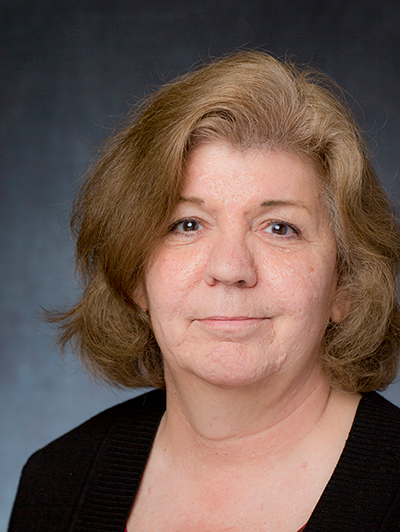
Carol Stachurski is the Team Operations Manager for the Systems Reform Team at Disability Rights Florida, and she is also the agency’s contact person for Emergency Management and Disaster Relief. She joined DRF in 2006 as a Case Manager for the Katrina Aid Today Grant. She has a B.S. in Social Work from Florida State University.
Please do not leave requests for assistance in the comments. Blog comments are not monitored by intake staff and your request may not be seen. Visit our Online Intake Page to request our services.
Commenting is not available in this channel entry.Get clear, reliable updates on the issues that affect people with disabilities—without the noise or jargon. We’ll share practical information, important changes, and real stories that show how advocacy is making a difference. You’ll also learn simple ways to stay informed, get involved, and help drive meaningful change.
We care about your privacy and trust, and will never share or sell your email address.
Comments