Disability Rights in Domestic and Sexual Violence Shelters
Wednesday, October 12, 2022
Wednesday, October 12, 2022
Content Warning: Discussion of domestic violence (sometimes known as intimate partner violence), sexual violence, violence against disabled people and other marginalized groups.
Please read at your own pace and take breaks reading as needed.
.png)
Everyone deserves to live their lives free of violence. Unfortunately, this is not the case for many people. Each year in the United States, more than 10 million people are physically abused by an intimate partner. And nearly half a million Americans are sexually assaulted each year.
Domestic violence and sexual violence are about power and control. Domestic violence is not just hitting, it can also be verbal or emotional abuse, financial abuse, withholding medication or medical care, harming service animals, threats or intimidation, or withholding or destroying assistive devices. Sexual violence is not just rape. It can be any type of unwanted sexual contact like kissing or touching, even if no clothes are removed.
People with disabilities are more likely to experience sexual violence or domestic violence, also known as intimate partner violence, than their non-disabled counterparts. Women with disabilities are twice as likely to face intimate partner violence than other populations. People with intellectual disabilities are seven times more likely to experience sexual violence than people without disabilities, and women with disabilities are twelve times more likely to experience sexual violence.
Despite these numbers, it can be difficult for people with disabilities to report abuse and to access services meant to help them escape that abuse. Often the abuser is the person’s caregiver or family member.When that is the case, a person with a disability may not want to report the abuse out of fear they will lose their caregiver or end up in an institution. For those who do want to report their abuse, they may fear that they will be unable to access shelter services due to rules that will not allow them to bring service animals, personal care attendants, or medical equipment.
For any person with a disability who is experiencing domestic or sexual violence, you do have the right to equal access to these services.
The Americans with Disabilities Act (ADA) requires all places of public accommodation, which includes domestic and sexual violence shelters, to make reasonable accommodations for people with disabilities seeking their services. For example:
They must allow people with disabilities to bring their service animals even if they have a “no pets” policy.
Nothing about the fact that they are a domestic or sexual violence shelter excludes them from their obligations to accommodate people with disabilities under the ADA.
But, as with any place of public accommodation, they do not have to grant accommodations if they would result in a fundamental alteration of the services they provide. There is no clear rule about whether an accommodation is a fundamental alteration—that is determined on a case-by-case basis. Additionally, they are only required to remove physical or architectural barriers if it is “readily achievable.” Readily achievable means the alteration can be easily accomplished without much difficulty or expense.
In addition to the rights protected under the ADA, some shelters are also required to follow the Fair Housing Act (FHA). The FHA makes it illegal to discriminate against someone in housing based on their disability. The FHA applies to many, but not all, types of housing. Whether the FHA applies to a particular domestic or violence shelter depends on several factors. These factors include:
How long you are allowed to stay at the shelter.
There is no one factor that determines whether the FHA applies to a particular shelter. That is decided on a case-by-case basis.
All providers of housing that are covered by the FHA are required to give equal treatment to all people who are seeking housing regardless of their disability status. This means that a housing provider cannot discriminate against people with disabilities. For example, under the FHA:
The ADA, and sometimes the FHA, protect people with disabilities from discrimination in domestic and sexual violence shelters. Anyone experiencing domestic or sexual violence should not be afraid to seek help because of fear of discrimination.
If you or someone you know is experiencing domestic or sexual violence, they can contact the National Domestic Violence Hotline at 1-800-799-7233 or online at www.TheHotline.org. They will help you find services in your local area.
If you believe you have experienced discrimination by a domestic or sexual violence shelter, contact Disability Rights Florida to find out what options you have to protect your rights. Disability Rights Florida can be reached by phone at 1-800-342-0823 or completing an online intake form found on our website.
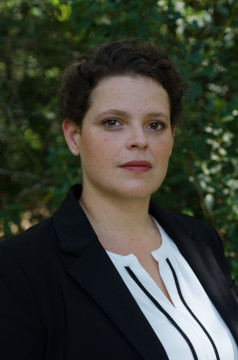 Blog written by Caitlyn Clibbon
Caitlyn Clibbon is a Public Policy Analyst at Disability Rights Florida working to shape public policy in Florida to improve the lives of Floridians with disabilities. Formerly a social worker, Caitlyn has worked with survivors of domestic and sexual violence and is passionate about ensuring these services are accessible to all. Caitlyn joined DRF in 2021. She earned both a bachelor’s degree in social work and a law degree from Florida State University.
Please do not leave requests for assistance in the comments. Blog comments are not monitored by intake staff and your request may not be seen. Visit our Online Intake Page to request our services.
Commenting is not available in this channel entry.Get clear, reliable updates on the issues that affect people with disabilities—without the noise or jargon. We’ll share practical information, important changes, and real stories that show how advocacy is making a difference. You’ll also learn simple ways to stay informed, get involved, and help drive meaningful change.
We care about your privacy and trust, and will never share or sell your email address.
Comments