Lois Curtis and Her Legacy on Disability Rights
Friday, November 18, 2022

Friday, November 18, 2022
This month, the disability community lost a visionary, artist, oracle, and impactful leader: Lois Curtis. Lois Curtis is a Black disabled woman who passed in her home at 55. If you don’t know the name Lois Curtis, please read and learn about her and the immense impact she has had in the fight for disability rights.
Activists in the independent living movement organized to demand an end to segregation for Americans with disabilities, who were denied basic rights, like attending schools, holding jobs, or choosing homes. From the 1960s to the '80s, activists staged protests and demonstrations, cases moved through the courts, and new legislation was passed, expanding access to housing, education, employment, and health care. Finally, a sweeping civil rights bill known as the Americans with Disabilities Act passed in 1990. Despite this progress, there were still gaps. People with disabilities could still be institutionalized.
This led to a major milestone with the US Supreme Court's Olmstead decision. Like Brown v. Board of Education, the decision that ended racial segregation in public schools, Olmstead affirmed the idea that nobody can be separated from society and denied the right to make decisions for themselves.
Lois Curtis was a young disabled woman living in Georgia. She was diagnosed with schizophrenia and developmental disabilities when she was young. Approximately 40-50 years ago, a diagnosis like hers likely meant you would live in an institution. Americans with disabilities were largely housed in institutions like nursing homes, psychiatric hospitals, or in facilities for those with developmental disabilities, where residents had to follow rules about things like when and what they could eat, when they could go outside, and even who they were allowed to date or marry. Before the Olmstead decision in 1999, there were no laws protecting people with disabilities and their rights to choose where to live. That would all change with Lois and her advocacy.
While living in a Georgia institution, Lois Curtis advocated for herself. She often called lawyers and social workers, talked about her experience, and asked for help to leave the state hospital she lived in. This advocacy paid off, because in 1995, a lawyer took on her case and filed a lawsuit on her behalf. Lois Curtis became one of two plaintiffs in one of the most influential disability rights lawsuits in American history: Olmstead v. L.C.. (L.C. was none other than the Lois Curtis.)
This case was about how Lois Curtis and Elaine Wilson (Lois’s friend and other plaintiff) both remained confined to a Georgia institution for several years despite being deemed appropriate for community-based treatment. These two disabled women were more than able to participate and live in the community, but they were kept in an institution instead. The lawsuit argued that the choice to keep them in an institution was unjustified and discriminatory due to disability. Eventually, this court case made its way to the Supreme Court. In a 6-3 decision, the justices decided that unjustified segregation and institutionalization of individuals with disabilities was a form of discrimination prohibited by the Americans with Disabilities Act (ADA). After this ruling, people with disabilities had the right to get services they needed in their communities, rather than in institutions.
Because of the Olmstead Decision, people with disabilities, like Lois Curtis and Elaine Wilson, gained the right to receive state-funded supports in the community – or in other words, not in institutions. This lawsuit and new right affirmed the argument that had been made by advocates for decades: having these choices in the community isn't more expensive. In fact, living in the community costs less – much less. For example, in 2009, 10 years after the Olmstead Decision, the National Council on Disability found that annual cost of institutional care was more than community-based supports in every state. Care costed $188,000 per person in a facility versus only about $42,000 for comparable services in the community.
The Olmstead Decision led to other disability rights cases that pushed states to create plans to reduce their institutionalized populations. However, progress since Olmstead has been slow. According to the US Census in 2010, over two million people were housed in some kind of facility. The number of people living in institutions remains very high today.
Community living isn't just a preference, it's a civil right. That's the legacy of Lois Curtis, Elaine Wilson, and the Olmstead decision. You have the right to choose your community and the right to access supports you may need in your home, rather than in a facility. As time passed after the Olmstead decision, Lois continued to advocate for disability rights, creating opportunities to visit President Obama at the White House, showcase her art, and share the talents and value of the disability community.
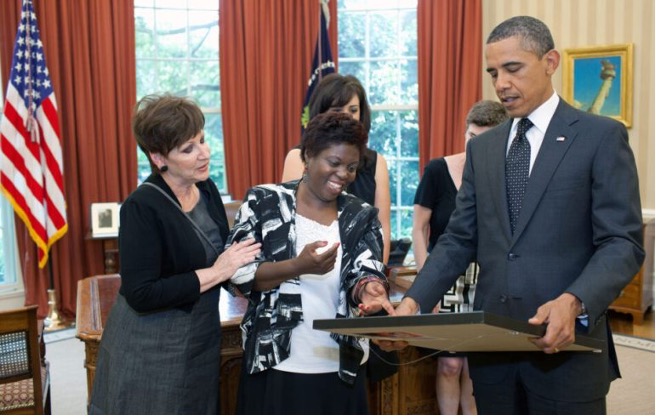
Alt text: President Barack Obama looks at a painting by Lois Curtis during a meeting in the Oval Office.
June 20, 2011. (Official White House Photo by Pete Souza)
Despite her immense impact on disability rights, we recognize and value Lois’s wisdom and presence as a community member, artist, leader, and friend.
Once living out of an institution, Lois was able to live her life to the fullest. As she shared in a University of Minnesota magazine, she took art classes, cooked, went to church, went to the pool, went to farms to see animals, sold artwork, went fishing, celebrated birthdays, and much more. These are things that Lois could not do while living in an institution. Lois and the Olmstead Decision made these realities of community care and living possible.
Besides Olmstead, Lois will be remembered and live on through her artwork. She has always done incredible artwork revolving around her identities and experiences. As her friend Sanders shared in a tribute to her: ‘She created artwork as she lived: Her lines drawn without hesitation, her colors bold and saturated, her images uncomplicated, and spirited. She loved knowing her artwork graced the walls of homes and offices far and wide.’

Alt text: Lois smiling in front of a wall of her artwork.
Credit: Special

Artwork title: “The Women of Olmstead” by Lois Curtis.
Photo: Tracy Coffin
Alt text: Artwork by Lois that depicts her and the other two people involved in the Olmstead case. They are painted vibrantly and on a blue background.

Title: “Shy Girl,” a 2009 portrait by Ms. Curtis.
Photo: Lois Curtis/Briggs & Associates
Alt text: A Black girl looking down. She wears a vibrant orange dress.

Lois Curtis art untitled.
Photo Courtesy of Robin Rayne/ZUMA
Alt text: Bright yellow background with a woman with brown skin, brown hair, and a blue jacket on.
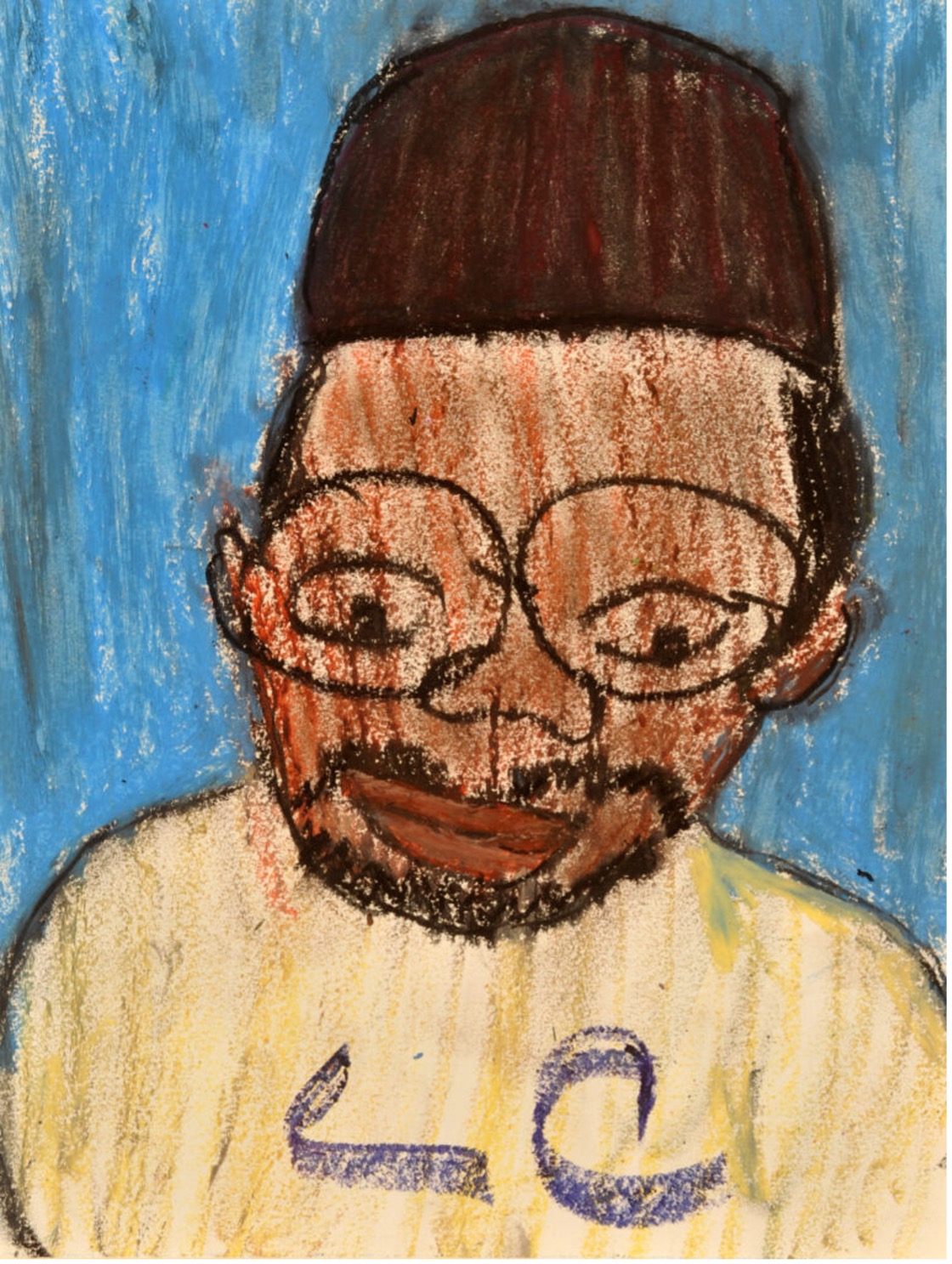
Title: Lois Curtis pastel art “Mr. Hill.”
Photo Courtesy of Robin Rayne/ZUMA
Alt text: Artwork of a brown man wearing glasses, brown hat, and beard.
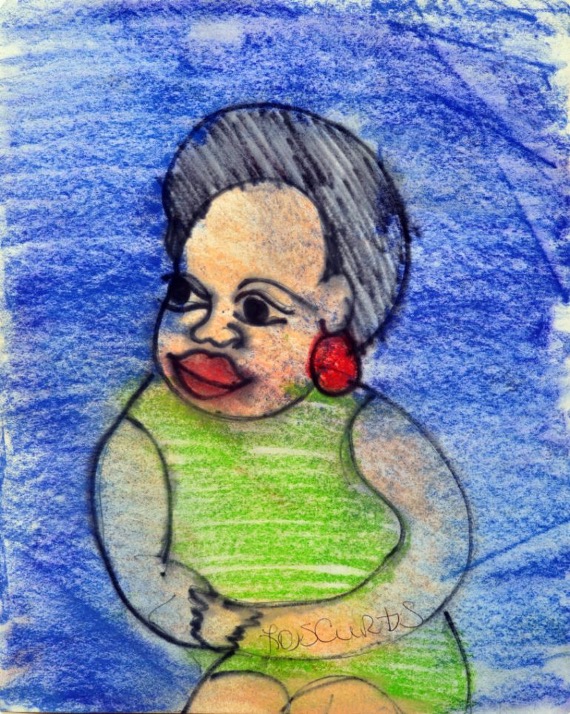
Lois Curtis art untitled.
Photo Courtesy of Robin Rayne/ZUMA
Alt text: Blue background with a drawing of a woman with short black hair, big red earrings, and a green dress.
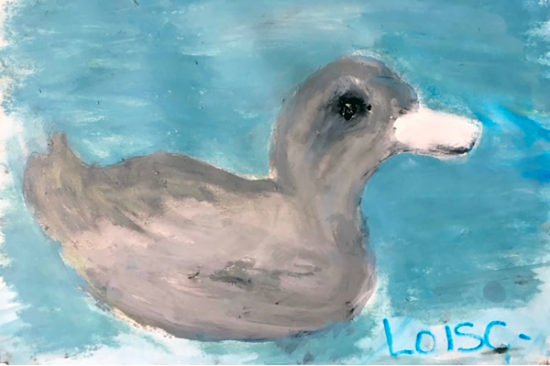
Title: “Gray Duck,” a 2016 oil pastel by Ms. Curtis.
Photo: Lois Curtis/Briggs & Associates
Alt text: a grey duck swimming on teal water.
Lois will also live on through her community, friends, and loved ones. She remained a leader and dear friend to those still fighting to live in the community. In a letter she wrote, she shared this message to her friends who remained in institutions:
“I remember you, Give me a prayer. Sometimes I feel good about my life. When I feel bad about my life I name my country, sing the gospel, and bring my mind back home. I will sing with you again. Have a beautiful day.
Love, Lois.”
We hope you take Lois’s words and legacy with you today. Remember her, honor her, and say her name: Lois Curtis. Speak power to her name and keep her story, talents, and legacy alive.
Thank you, Lois. We are forever indebted to your advocacy.
Rest in Power.
Thanks for reading our blog. We'd love to hear about your experiences and thoughts on this topic, so please leave us a comment below! Also, feel free to comment other topics and disability issues you'd like to see covered on our blog. We strive to bring content that is interesting and valuable to you, and we can do that best with feedback directly from you.
Please do not leave requests for assistance in the comments. Blog comments are not monitored by intake staff and your request may not be seen. Visit our Online Intake Page to request our services.
Commenting is not available in this channel entry.Get clear, reliable updates on the issues that affect people with disabilities—without the noise or jargon. We’ll share practical information, important changes, and real stories that show how advocacy is making a difference. You’ll also learn simple ways to stay informed, get involved, and help drive meaningful change.
We care about your privacy and trust, and will never share or sell your email address.
Comments