Publications
2023 Annual Report
Since 1977, Disability Rights Florida (DRF) has been advocating and protecting the rights of children and adults with disabilities to live as they choose, free from abuse, neglect, and discrimination. In Fiscal Year 2023, we received nearly 7,300 calls from Floridians with disabilities, family, and others looking for assistance related to a variety of important issues. Our knowledgeable Intake Team provided them with information, advice, or referral and our dedicated legal teams took on 1,338 new cases focused on rights violations that adversely affected people with disabilities.
Some of those cases addressed access to effective communication, transportation, public programs and services, education and support services, mental health support, employment and more. Our attorneys and advocates also successfully fought for systemic reforms that affected thousands of Floridians with disabilities including students as young as six-yearsold who are being involuntarily committed through the Baker Act in schools and individuals with autism who were denied iBudget Waiver services by APD. DRF also used its access authority to visit and monitor numerous mental health facilities, group homes, nursing homes, state prisons, and county jails to determine if people with disabilities were being subjected to abuse, neglect, exploitation, or other rights violations.
During the 2022 election cycle, DRF intensely focused its voting access efforts on accessibility in polling places and elections’ websites. Our staff and partners surveyed nearly 500 polling places and all 67 county Supervisor of Elections websites as well as Florida’s elections website. Our voting staff is now working with individual Supervisors of Elections to reduce and remediate physical and other barriers to the ballot and improve user experience and accessibility to voter information on the websites.
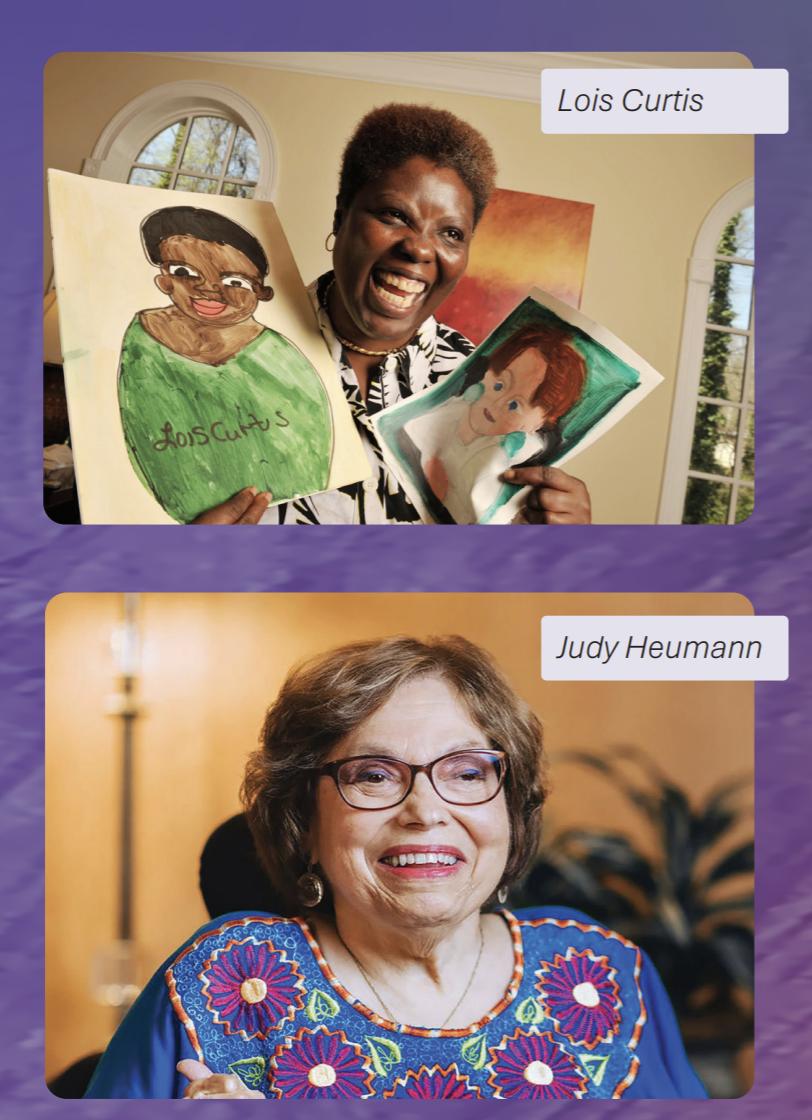
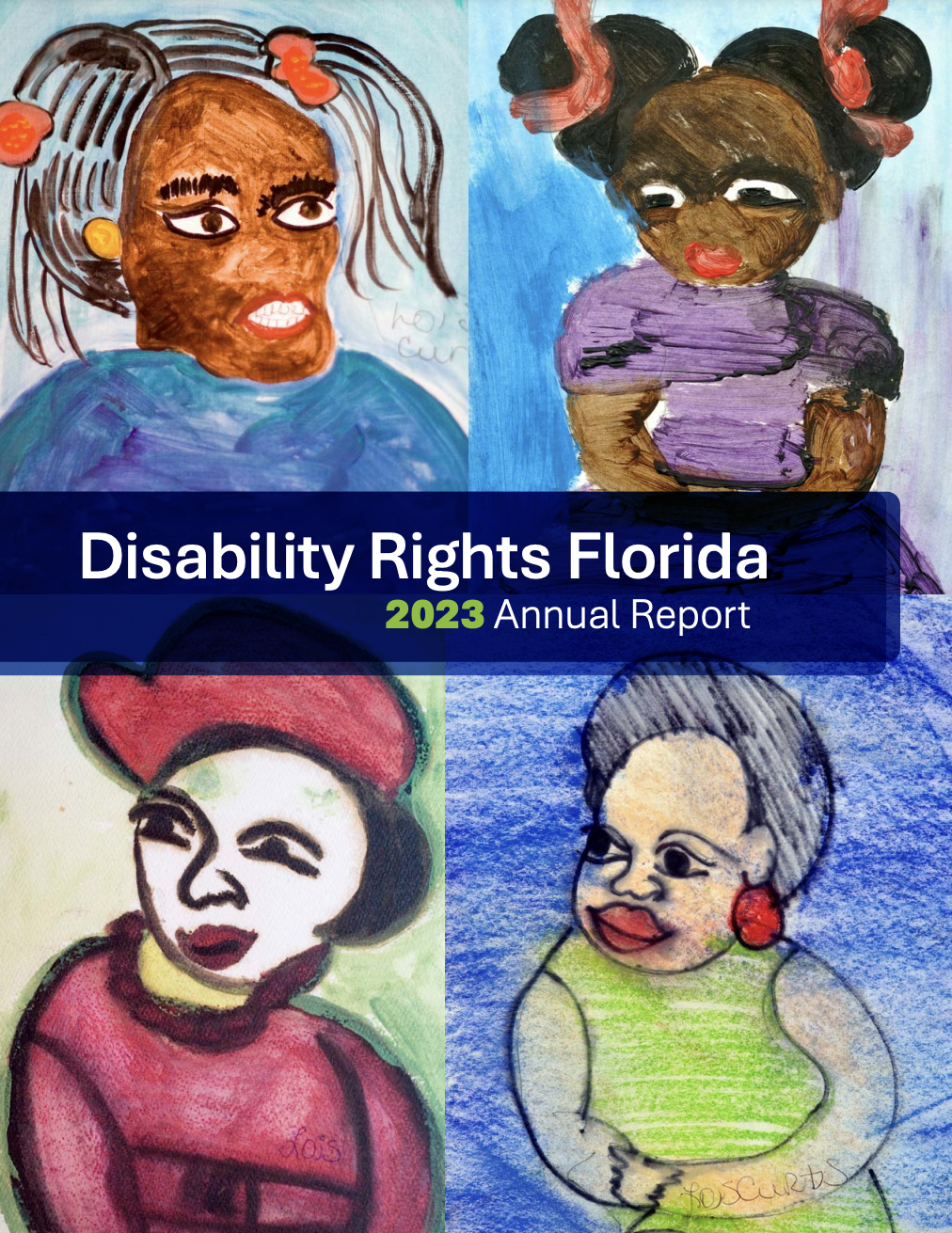
While we celebrate the year’s accomplishments, we also take pause to recognize the loss of two women who were pivotal to the disability rights movement: Lois Curtis and Judy Heumann. Lois was the lead plaintiff in Olmstead v L.C, a landmark case that gave people with disabilities and seniors the right to seek long-term care services in their homes instead of forced institutionalization. Judy was an internationally recognized leader in the disability community and life-long civil rights advocate. We are honoring their bravery and impact by featuring some of Lois’s works of art in our annual report.
As you read through these pages, know that our staff, Board of Directors, and PAIMI Advisory Council are deeply committed to our vision of an inclusive world that provides equal opportunity for individuals with disabilities to freely participate in a society with equity, dignity, and respect. We hope you’ll be inspired to share this vision and work with us toward a more inclusive society.
Within the past year, we have lost many disability rights legends, namely Lois Curtis and Judy Heumann, who both were instrumental advocates in passing our disability rights laws. Judy, lovingly referred to as the ‘mother of the disability rights movement,’ was a crucial voice in demanding expansion of the Rehabilitation Act and the Americans with Disabilities Act. Lois’s self-advocacy and organizing led to the 1999 Olmstead Decision, which very loudly stated that segregation and discrimination against people with developmental disabilities was illegal and that people with disabilities had a right to live in the community. To honor the immense impact of both of these powerful disabled women, we are using four of Lois’s artworks throughout the report. Lois was a beloved friend, artist, and leader, and we want all to remember her art, creativity, heart, and influence. THANK YOU, Judy and Lois. May your memory be a blessing, and may you rest in peace.
Thank you to Robin Rayne for providing us with Lois’s artwork shown in this report.
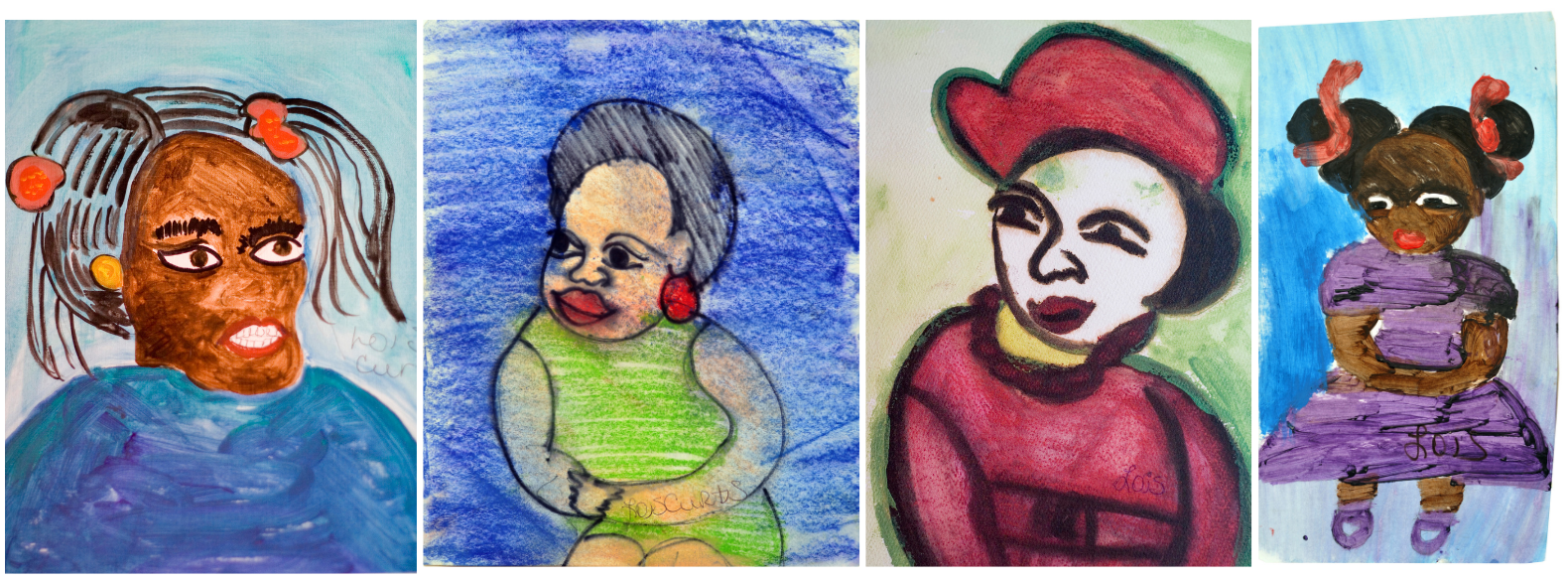
Lois Curtis's Artwork titles (from left to right): Lady without nose, Coretta, Aunt Shirley, and Lois self-portrait as child
Ensuring Medical Access through Sign Language
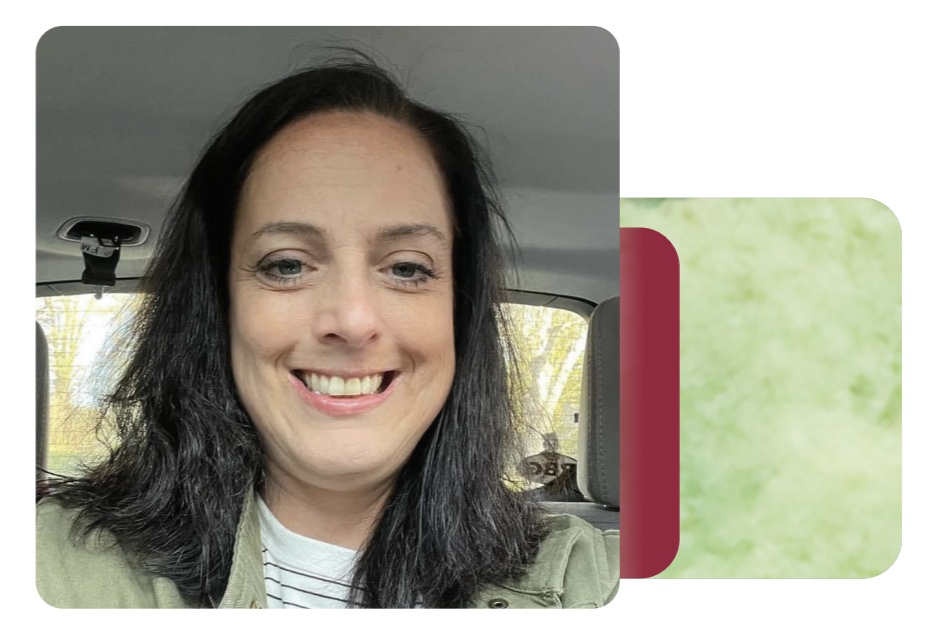
Danielle is an individual with cerebral palsy and deafness who lives in Pasco County, Florida. For the past 12 years, Danielle has been attending her doctor’s appointments with her preferred in-person American Sign Language (ASL) interpreter. Recently, however, her doctor switched to only providing video remote interpreting (VRI) for patients who are deaf or hard of hearing. Danielle tried to work with the doctor’s office and requested that her preferred interpreter be available through the VRI service. However, her request was denied by the clinic. At her most recent appointment, she tried using the VRI service and requested a certified interpreter who could accurately convey medical terminology and topics. Unfortunately, the interpreter was not equipped to do so, and their communication did not match Danielle’s thoughts or questions. Frustrated by the situation, she then requested again that she have an on-site interpreter, to which her doctor said she would have to pay out of pocket for it. Danielle reached out to Disability Rights Florida for support, especially because she liked her physician and wanted to make things work. We advocated on her behalf, explaining that her cerebral palsy limits dexterity and, therefore, impacts her communication through ASL. We also pointed out that VRI had proven ineffective, as remote interpreters have shown difficulty with the receptive side of interpretation. After continued conversations with the clinic, they agreed to provide an on-site ASL interpreter at all future appointments. Effective and meaningful communication is a right. Deaf individuals are not responsible for providing an ASL interpreter; it is the responsibility of the medical clinic to provide the ASL service. We are pleased that the clinic will provide Danielle with an in-person interpreter, which will help her make informed medical decisions.
Educating Flagler Law Enforcement about Mobility Devices

William is an avid beach goer living in Flagler County. Due to his physical and orthopedic-related disability, he uses a mobility device to drive on the beach. The mobility device, similar to a golf cart, is considered an other-power-driven mobility device (OPDMD). When William asked a patrol officer if he could use his mobility aid on the beach, the officer told him they would arrest him and confiscate his OPDMD. Our staff educated Flagler County about reasonable accommodations. We explained that people with disabilities who use mobility devices deserve access to public programs and spaces, like beaches. Refusing to offer William an accommodation for his OPDMD would be discriminating against him because of his disability. Because of our advocacy and involvement, William can now access the beach using his OPDMD without resistance from county personnel.
Staff Advocacy Leads to Accessible School Transportation

Jadzia is a young student with various disabilities facing obstacles in getting accessible and consistent transportation to and from school. Jadzia’s family had previously advocated for the school district to provide specialized door-to-door transportation in the form of a van with an aide to accommodate her medical needs. However, the van often arrived without an aide and sometimes over an hour late. Eventually, the school’s transportation department informed Jadzia’s family that she would have to switch back to bus transportation for a short time due to staffing shortages. This plan was inaccessible for Jadzia because she lives in a gated community. Since neither the HOA nor the school wanted to be liable for any bus-related damages to the neighborhood, the bus cannot pick her up at her door as previously determined. This forced Jadzia to get picked up by the bus outside her neighborhood. Despite being told that this arrangement would only be temporary, it continued beyond a few weeks, and her family did not receive a response from the transportation department. That’s when Jadzia’s family called on our staff to assist them. After working with Jadzia’s family and the school district, we secured a private door-to-door transportation service for Jadzia during the school year and extended school year (ESY) and successfully arranged transportation reimbursements for her family. Since the COVID-19 pandemic, we have seen a bus driver shortage that has had significant repercussions for students with disabilities who may need shorter bus rides, aids on longer rides, and other accommodations. We’re glad that Jadzia can now get to school safely.
A vital part of Disability Rights Florida’s work is ensuring private and independent access to the voting process and promoting increased non-partisan civic engagement for Floridians with disabilities. Our voting advocacy is done through DRF-led initiatives and in partnership with Access the Vote Florida, the state’s chapter of the American Association of People with Disabilities’ REV UP initiative. Here are a few highlights from this year:
- We surveyed approximately 500 polling places for accessibility during the 2022 election cycle. One of the many ways Disability Rights Florida fulfills its Help America Vote Act (HAVA) mandate is by monitoring the current state of physical poll site accessibility. To achieve this, DRF and its national partners throughout the country survey poll sites statewide during each election cycle. In 2022, DRF staff completed surveys during both early- and election-day voting and is pursuing ongoing collaboration with Florida’s Supervisors of Elections to reduce and remediate physical and other barriers to the ballot.
- Disability Rights Florida’s Voting Rights team was invited and presented to the Florida Supervisors of Elections at their Spring Conference on disability history, etiquette, and voting rights to build awareness about inclusive and accessible elections.
- We are actively working to improve the accessibility of Supervisor of Elections websites across all 67 counties. During 2022, our staff conducted audits of each county’s elections website and the state’s main elections website. After completing these audits, our voting team has worked extensively to provide each county with the necessary feedback to improve the accessibility of these sites, which is vital to the overall accessibility of the voting process. During the 2022-23 fiscal year, DRF continued this work, meeting with various counties to review audit results and assist in making plans to remedy accessibility barriers. We will continue these audits in the coming year to ensure website accessibility as we approach the 2024 election cycle.
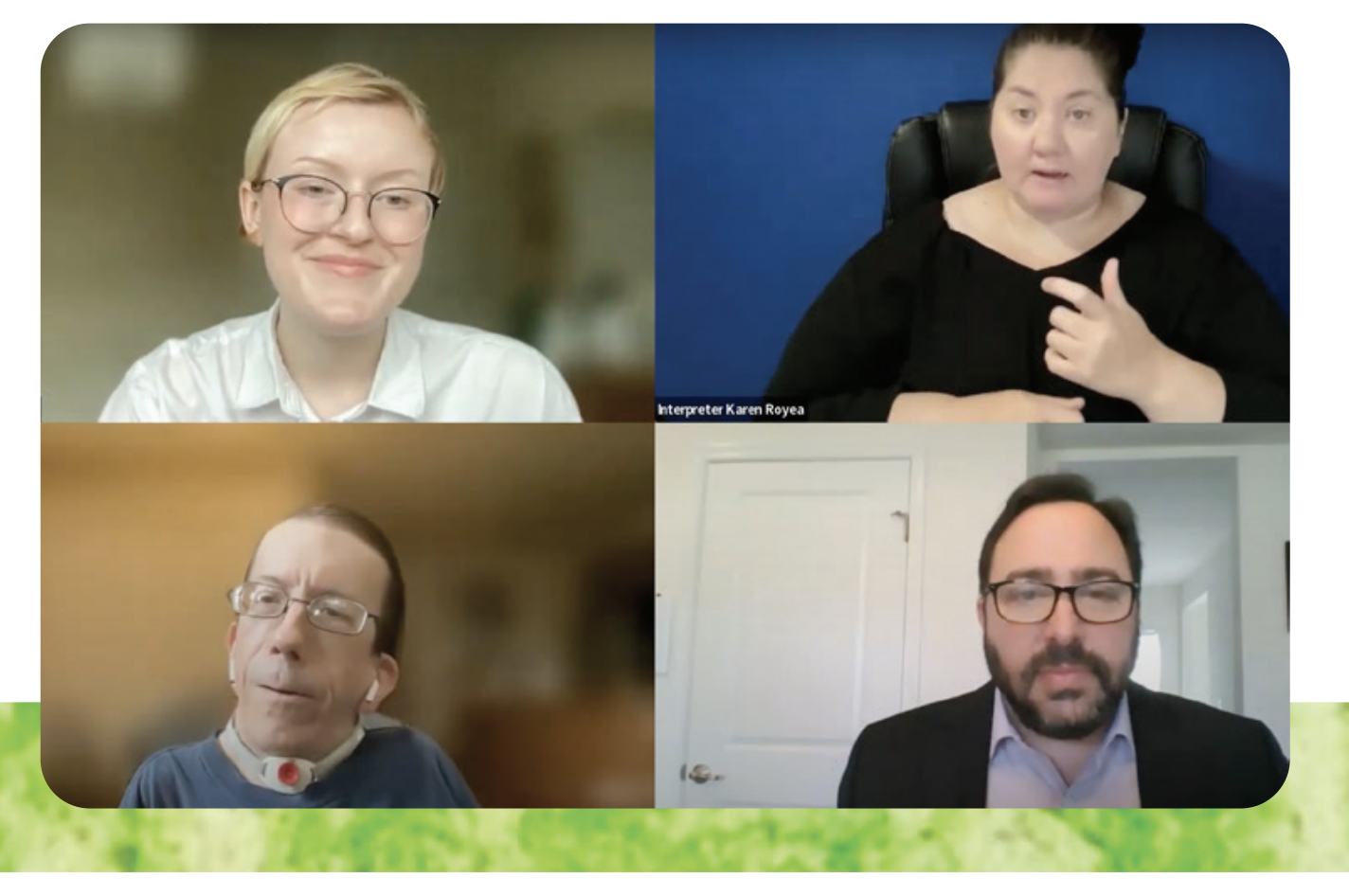
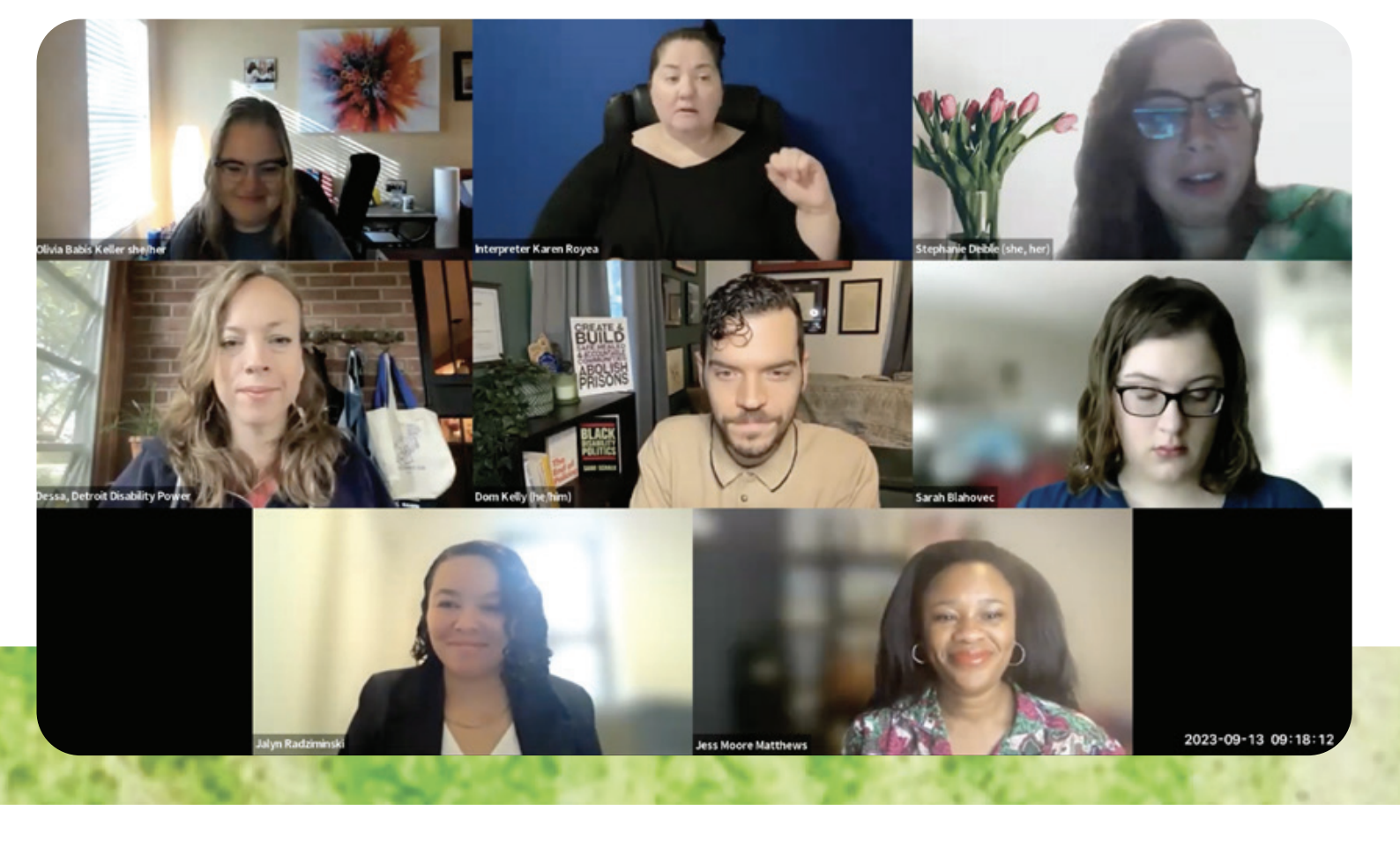
- We organized The Access the Vote Florida 2023 Election Accessibility Summit, a virtual event that lasted 4 hours and included four panels. The panels discussed important topics such as disability representation in politics and leadership, the state and national election landscape, and rights restoration. The series of panels were non-partisan and disability-centered. Furthermore, the event’s keynote was delivered by renowned disability advocates Andrew Pulrang and Gregg Beratan, who, along with Alice Wong, are credited with the success of the #CripTheVote campaign.

Last year, our education advocacy team filed a state complaint against Broward County School District. In the complaint, we alleged that Broward consistently failed to provide speech and language services in compliance with students’ Individualized Education Plans (IEP). The School District argued that staffing shortages were causing unfulfilled services. However, this is not a valid reason to deny students with disabilities the accommodations and services they are entitled to by law. The Florida Department of Education agreed with us. The Department issued determinations that required Broward to provide training on IEP implementation to staff across the district, provide compensatory education to students whose services weren’t implemented, and develop an action plan to analyze the district’s need for speech and language pathologist (SLP) positions. The plan must include how the district will advertise, fund, and onboard SLP positions to ensure that they are filled. After submitting the plan, Broward must submit monthly reports to the Department on the status of each SLP position within the district. We look forward to monitoring this situation to ensure that all students in Broward can access the free and appropriate public education they deserve.
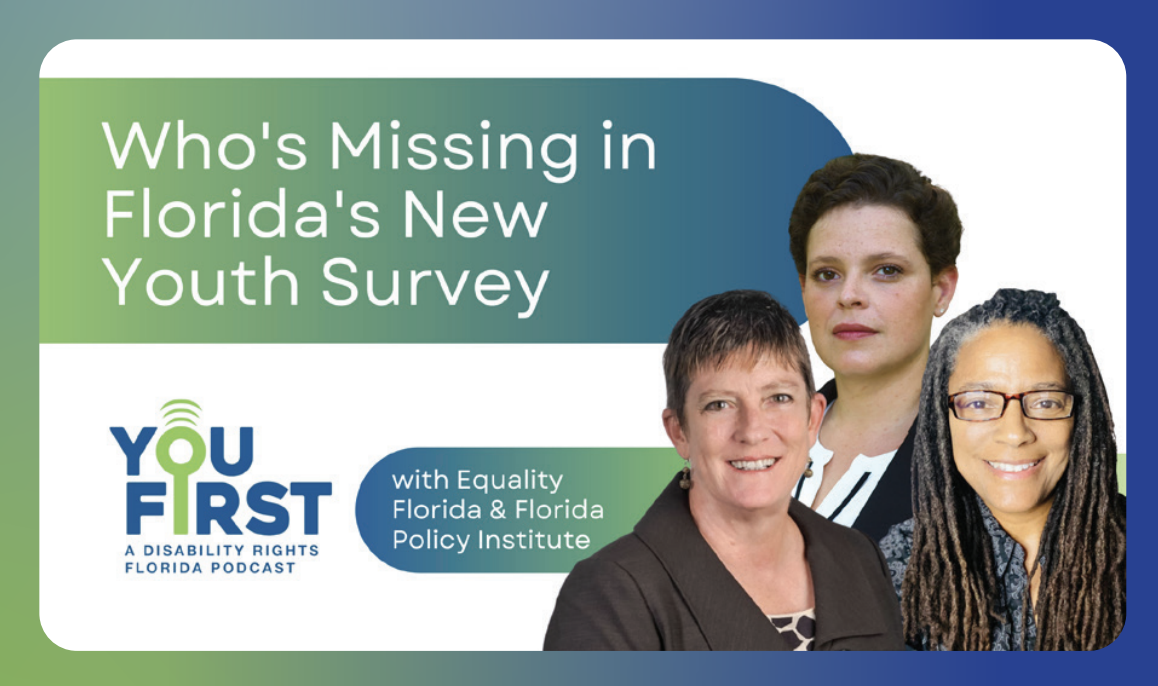
It has been a little over a year since Florida stopped participating in the Centers for Disease Control and Prevention’s (CDC’s) voluntary Youth Risk Behavior Survey (YRBS). The survey, which has been conducted since 1991, is given to youth across the United States to assess their wellbeing regarding mental health, teen dating violence, bullying, drugs, eating and exercise habits, and sexual activity. The survey is particularly critical now, as it helps monitor the rise in anxiety, depression, and suicide among teens since 2020. Additionally, the survey assesses how youth of marginalized identities are doing while living in Florida. Our Community and Healthcare Services Director, Caitlyn Clibbon, was invited to join a workgroup to help develop the new Florida survey, and she advocated for disability-inclusive and public health-centered questions. Soon however, it became clear that the workgroup had no real say in the new survey, and it became public in Florida schools without tracking data in a comparable way to the CDC’s survey. This leaves more unanswered questions about our youth’s safety and wellness, which is deeply unsettling. To learn more about our concerns and Caitlyn’s experience, you can listen to our podcast entitled ‘Who’s Missing in Florida’s New Youth Survey’.
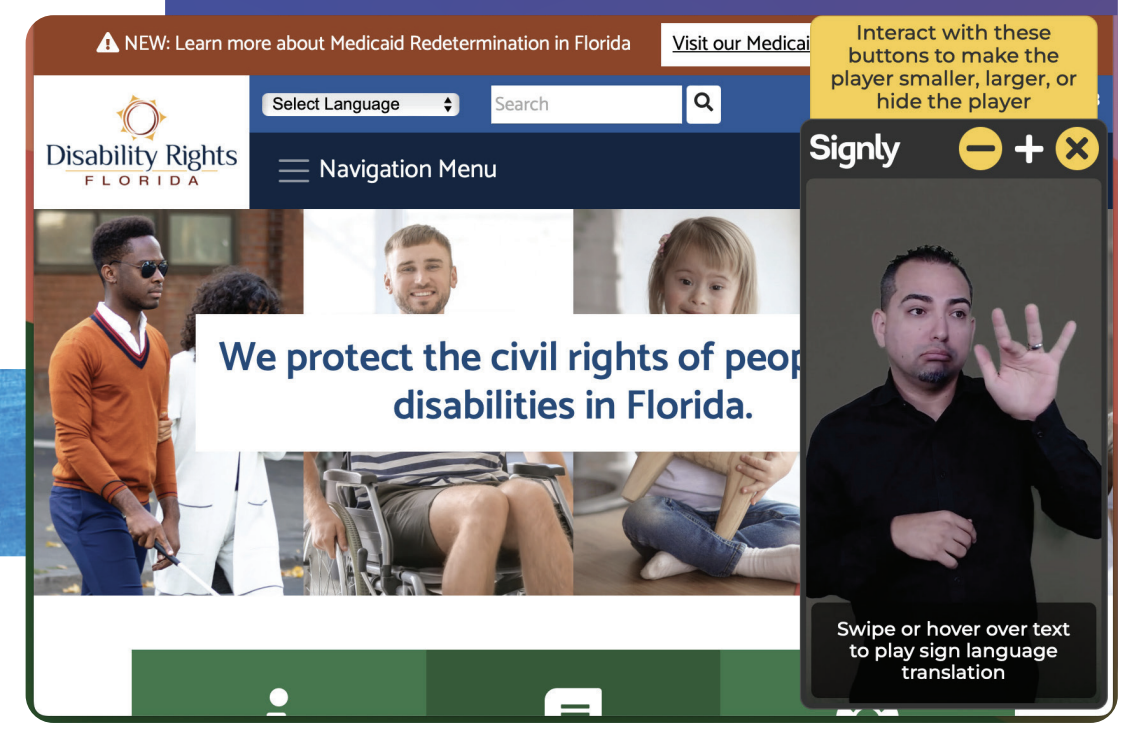
This year, we contracted with Signly to be the second known US website and the first known US disability organization to use Sign Language as a Service (SLaaS) to provide American Sign Language (ASL) interpretation of its website content. Website visitors can access the ASL interpretation of the content by clicking on the two white hands on the bottom right of the website and then clicking on the ‘play’ arrow next to the paragraph they want to view. The video will play in the bottom right corner of the screen and can be enlarged for easier viewing. If a page is not yet available in ASL, visitors can request the page to be translated, and a certified ASL interpreter will create and add the video translation to the website within a week. In the past year alone, we’ve translated 70,000 words to ASL using Signly. It is essential to provide ASL when the written word is available because sign languages are structurally different from written and spoken languages. They use their own vocabulary and syntax and different grammatical and sentence order. Offering ASL on a website provides full access to the Deaf community and a better experience with the opportunity to comprehend the content fully.
Each month this year, we posted a blog about disability news, our legal and advocacy work, information about your rights, disability history, and the experiences of disabled individuals with other marginalized identities. Visit our blog to learn more!
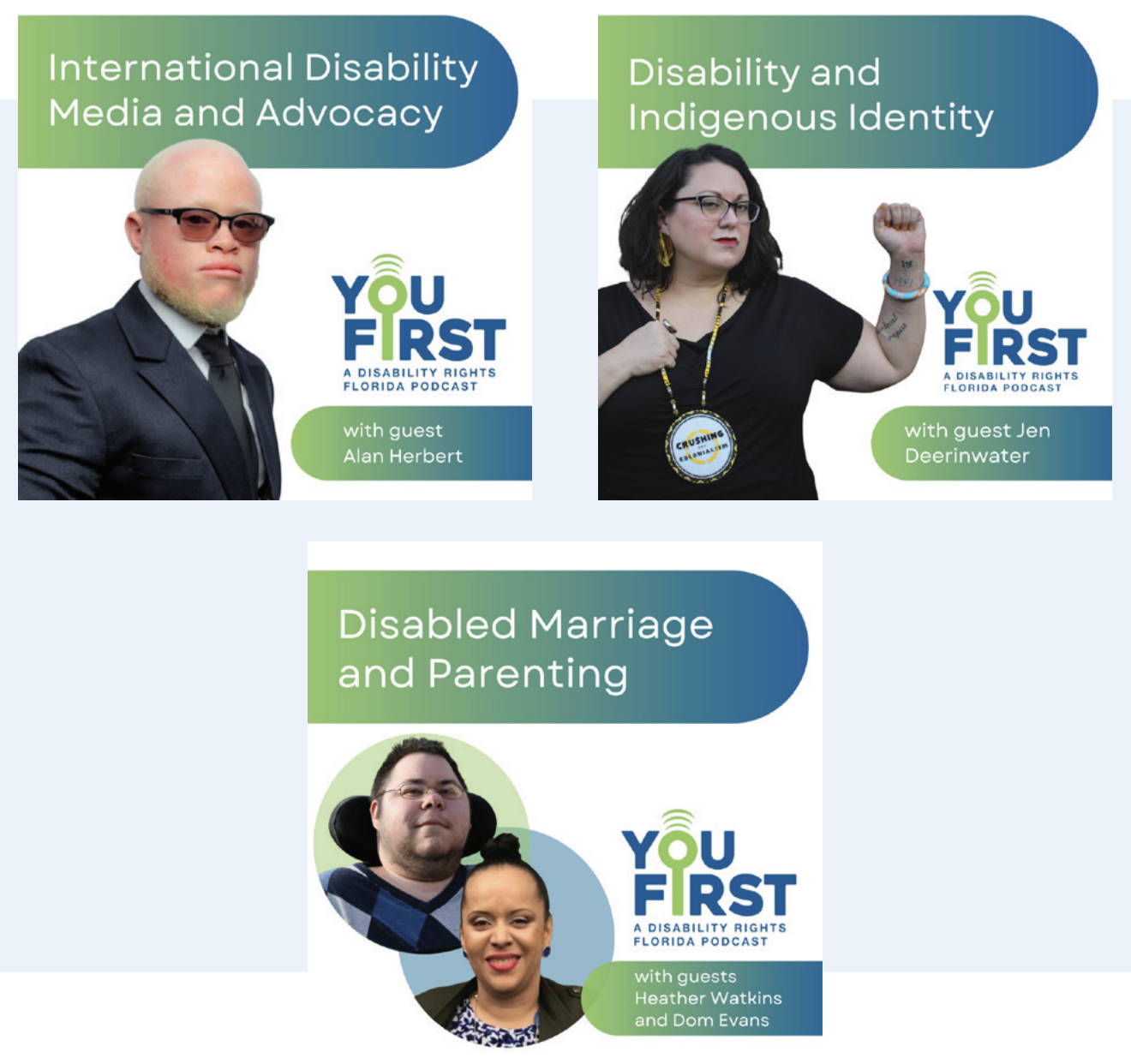
Disability Rights Florida’s podcast “You First” had a very successful year, with episodes covering many important disability topics and issues. Throughout 2023, we’ve released two monthly episodes on disability rights, culture, art, policy, and more. Tune in wherever you get your podcasts or read the transcript on our website.
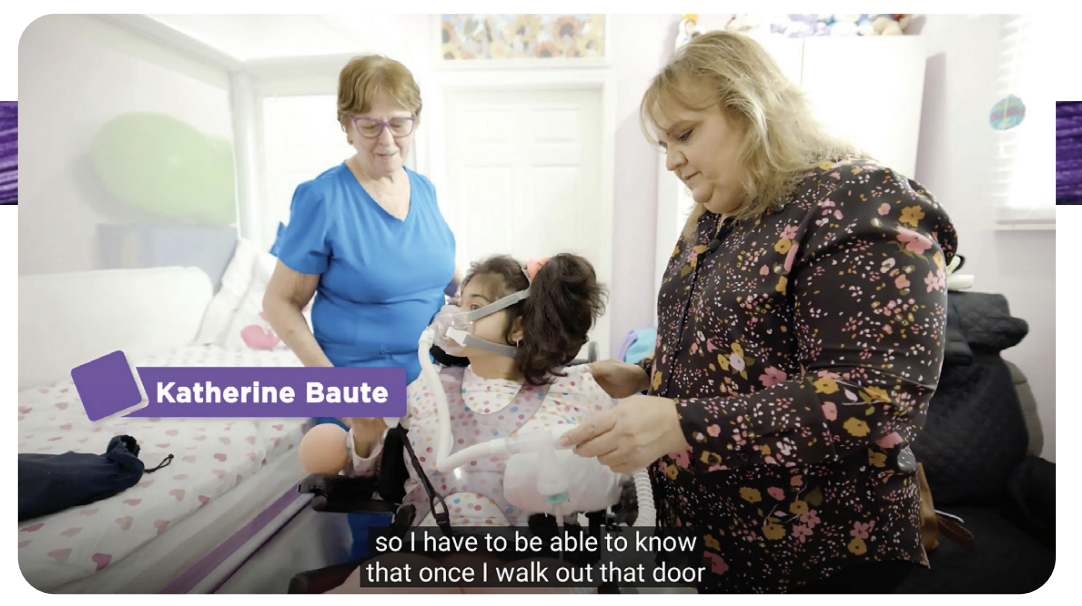
Before the pandemic, tens of thousands of people waited for years to be approved for home and community-based services - forcing people with disabilities to be faced with living in institutions just to access services they need. Lack of investment in the home care workforce means people may not be able to access those services even when they do make it off the waitlist. Then the pandemic hit - making those crises even more severe. The pandemic forces us to confront these challenges - to eliminate the waitlist, and to invest in our home care workforce. The series delves into the ongoing crisis of Medicaid waiver in Florida, shedding light on the challenges faced by real families in accessing healthcare for their loved ones with disabilities.
More at COVIDimpacts.us
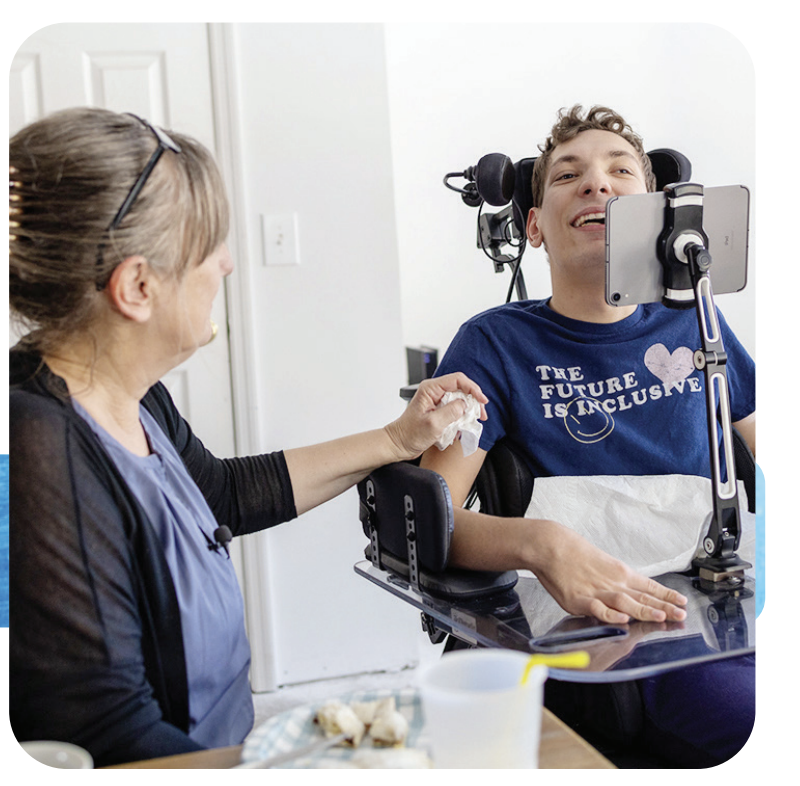
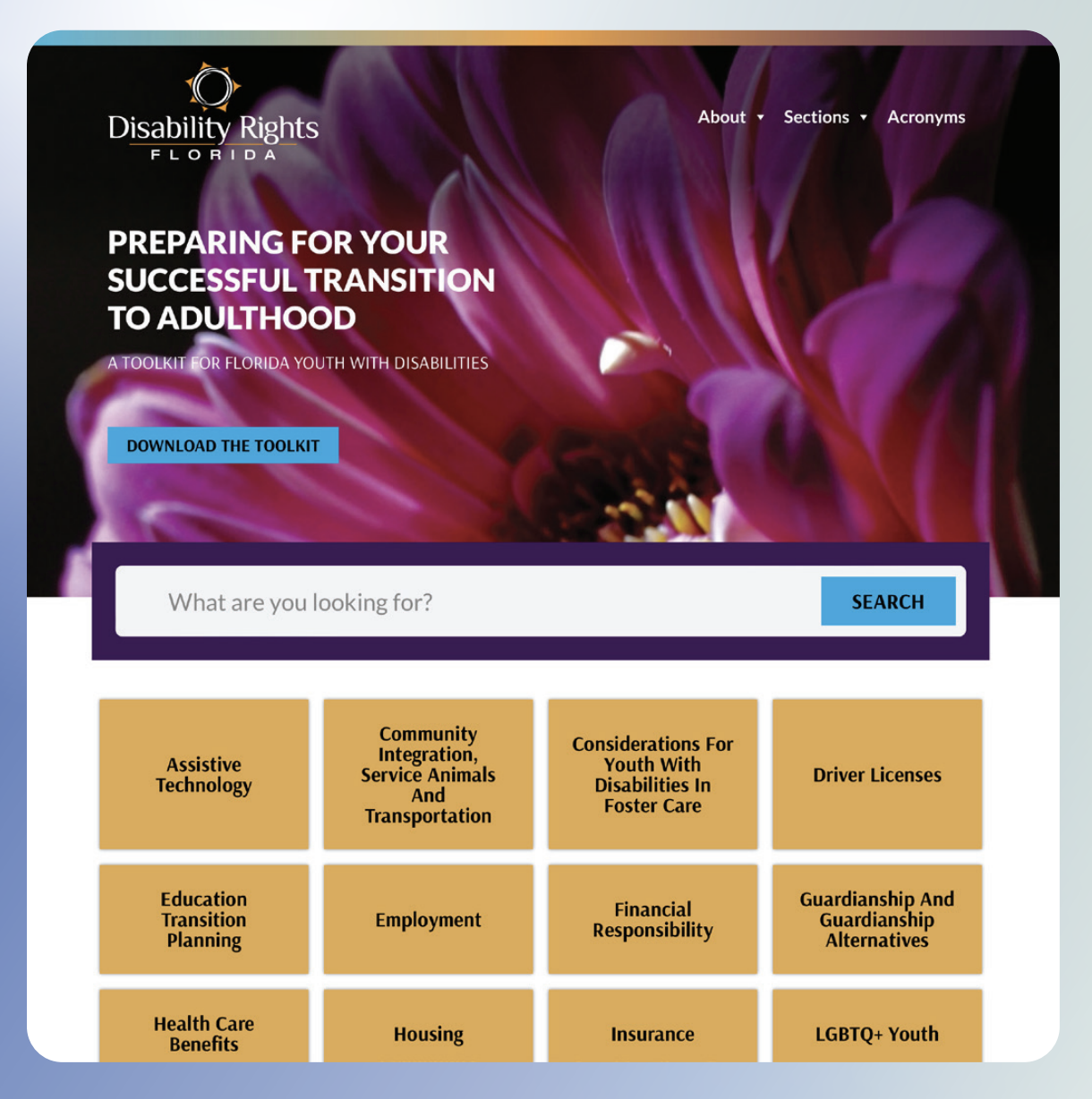
Our new transition specific website, Preparing for Your Successful Transition to Adulthood, gives students with disabilities, their supporters, families, care team, and school staff the resources they need to prepare for adulthood and unlock their potential for a great future. The website offers information on various topics such as employment, healthcare, self-advocacy, and guardianship alternatives. It aims to equip students with disabilities with the resources they need to prepare for their future, giving them the opportunity to exercise autonomy and choice. Through this transition toolkit, they can unlock their potential and build a brighter future.
Visit Transition.DisabilityRightsFlorida.org
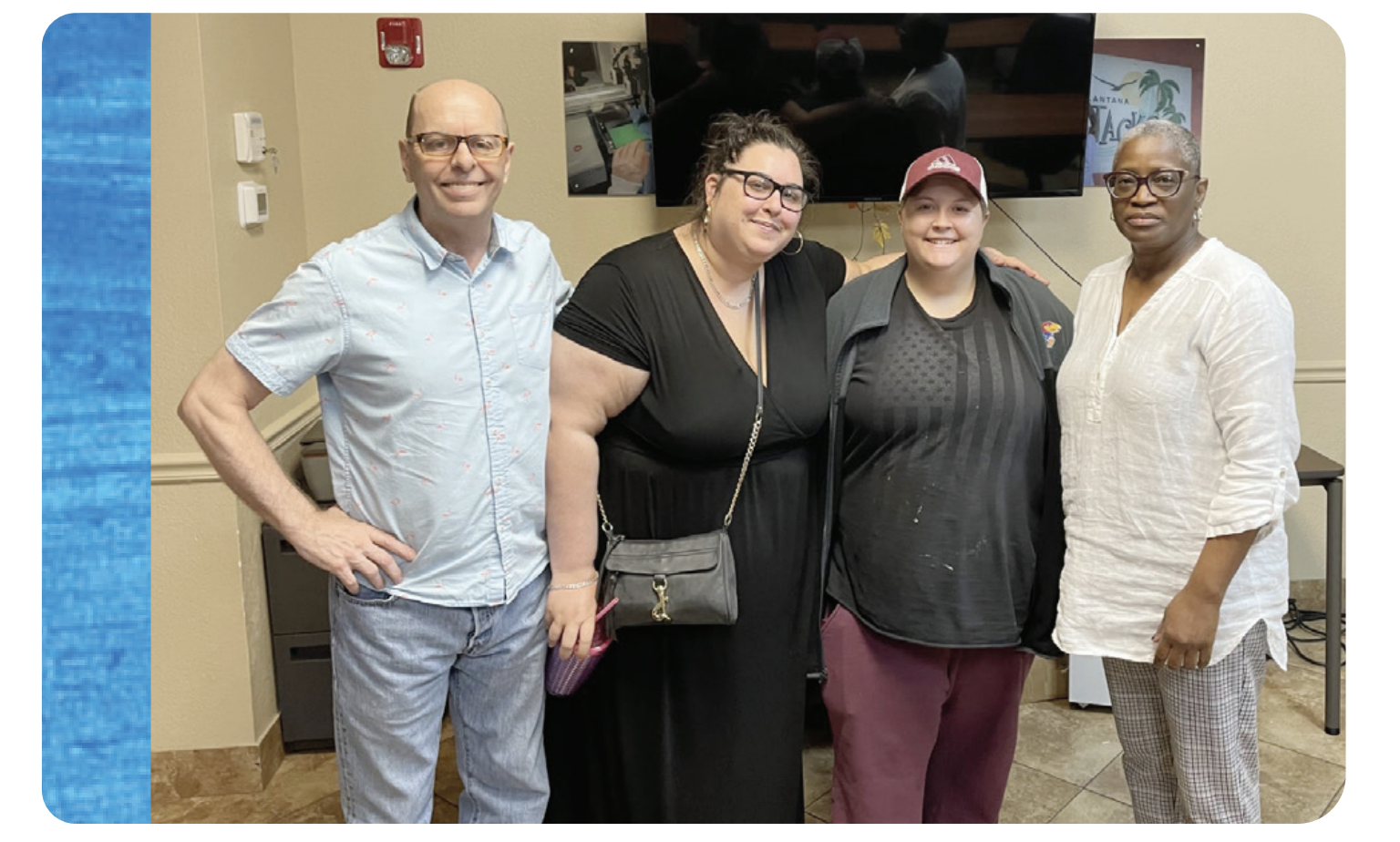
In addition to our litigation and advocacy work, Disability Rights Florida staff give presentations and trainings for various audiences. This year, we often visited several drop-in centers and clubhouses that support individuals with mental illness to educate them about their rights and share resources. One of the places we visited was the AMIGOS Drop-In Center in southwest Florida, which offers social and recreational activities, advocacy, peer support, and assistance in navigating community resource systems. During our visits, DRF staff held interactive events to discuss the rights of the individuals, provide information for effective self-advocacy, share our services, and inform them about other available community resources. Disability Rights Florida is committed to ensuring that living in the community is accessible and achievable for all individuals with disabilities. We will continue actively engaging in outreach efforts to provide additional support to those who require assistance living independently, equipping them with the necessary tools to succeed.
Throughout the year, we collaborated with several disability organizations, public health departments, senior service centers, food banks, self-advocacy groups, and state universities to enhance accessibility to vaccines and information for individuals with disabilities. We successfully organized numerous COVID-19 and Flu vaccine clinics accessible to all, with over 75 people receiving vaccinations. Our partners also provided attendees with free health screenings, food, and resources. For those who could not attend, our team helped individuals with disabilities secure transportation to a pharmacy or doctor’s office or even obtain the vaccine in their homes.
After Hurricane Ian struck, we worked closely with various county emergency management offices, Centers for Independent Living, Florida’s Department of Health and Education, and several crisis clean-up groups. Our team evaluated four American Red Cross (ARC) long-term recovery shelters and two FEMA Disaster Resource Centers in Lee and Sarasota counties for disability accessibility. Through our education and advocacy efforts, we enhanced the accessibility of these sites for the disability community who sought shelter and services there.
During Hurricanes Ian and Nicole, we provided direct advocacy support to clients who needed help navigating the complicated FEMA individual assistance application and appeals processes. Additionally, we connected survivors with disabilities to organizations that provided hurricane clean-up services, housing, and access to food and water. Our organization is committed to ensuring that disaster preparedness becomes more inclusive of people with disabilities and continues prioritizing the needs of those most impacted and at risk during an emergency or disaster.
In recent years, Disability Rights Florida has been advocating and litigating against the misuse of the Baker Act in schools across Florida. The Baker Act is a Florida statute that allows police, mental health professionals, and others to involuntarily hospitalize students and adults for psychiatric evaluation. However, it has been overused in situations that are not true mental health emergencies, leading to forceful and involuntary psychiatric evaluations of students, particularly those with disabilities and students of color, without parental consent. The experience can be very traumatic for the students involved.
In one such case in Palm Beach County, we joined five sets of students and their parents in order to vindicate their rights and to advocate for policy changes that would reduce the use of the Baker Act in the school district. The plaintiffs were represented by lawyers for Disability Rights Florida, the Southern Poverty Law Center, Legal Aid Society of Palm Beach County, Inc., the Pasch Law Group, King & Spalding LLP and the National Center for Youth Law. After litigation began in 2021, the school district implemented policy changes and has since seen an 80% decrease in the Baker Act’s use on school campuses. And earlier this year, the court ordered the district to pay nearly half a million dollars to the students and their parents for their experiences with the Baker Act at school.
We remain committed to ensuring that school districts across the state end inappropriate use of the Baker Act in schools and that when use of the Baker Act is necessary, it is done in a trauma-informed manner to reduce negative impacts on students experiencing mental health crisis. We look forward to continuing to work with the Palm Beach County School District in becoming leaders in mitigating past harms and implementing appropriate policies that will reduce trauma and that won’t disproportionately impact marginalized students.

The Florida Agency for People with Disabilities (APD) has been chronically underfunded and, in recent years, further budget reductions have caused increasing difficulty with getting services to the people who need them. One example of this is a trend of APD denying services to many people with autism, especially when an individual’s autism-related symptoms overlap with those of another disability. In one such case, Disability Rights Florida was called upon to assist by researching and filing an amicus brief related to denial of services.
APD had denied an adult with both autism and schizoaffective disorder iBudget Waiver Services. The agency argued that they couldn’t be sure whether the person’s symptoms were from autism or from schizoaffective disorder and denied services on that basis. This individual needed access to services through the iBudget Waiver to avoid institutionalization and remain in the community where they wanted to be. Our staff investigated this denial and filed an amicus brief supporting the petitioner’s appeal to the Fourth District Court of Appeals. Earlier this year, the court reversed the agency’s denial of services. The court explained that APD denied services because of the “possibility” that their symptoms were caused by schizoaffective disorder and not autism and admonished the agency that this is not the correct legal standard for eligibility for iBudget Waiver services. APD’s denial was reversed and the agency was required to reassess the case for a new eligibility determination under the proper legal standard.
We are proud to have assisted this individual because although only one petitioner was directly affected, nearly 20,000 people in Florida alone have co-occurring autism and schizophrenia spectrum disorders. Erroneous rules about overlapping symptoms harm those with multiple disabilities, and instead of being targeted for denial of services, they should be offered even more support.
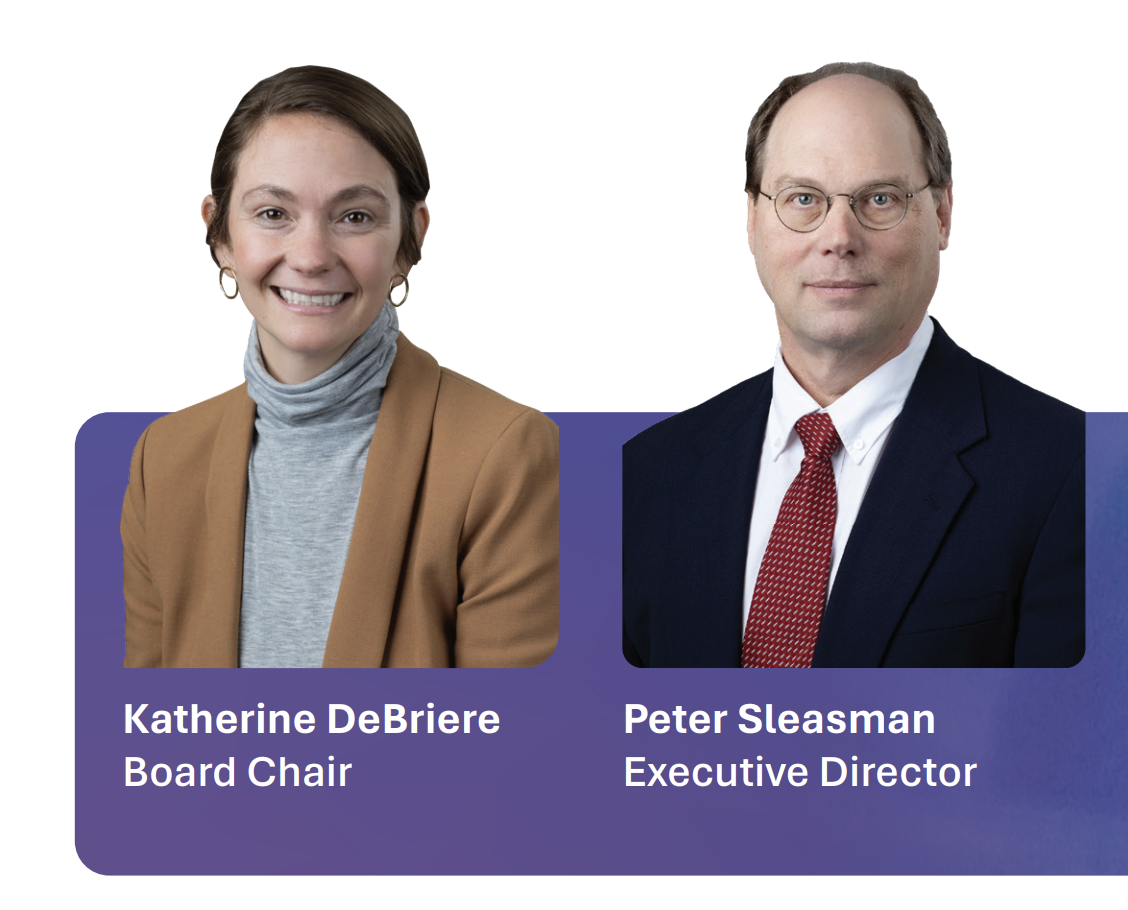
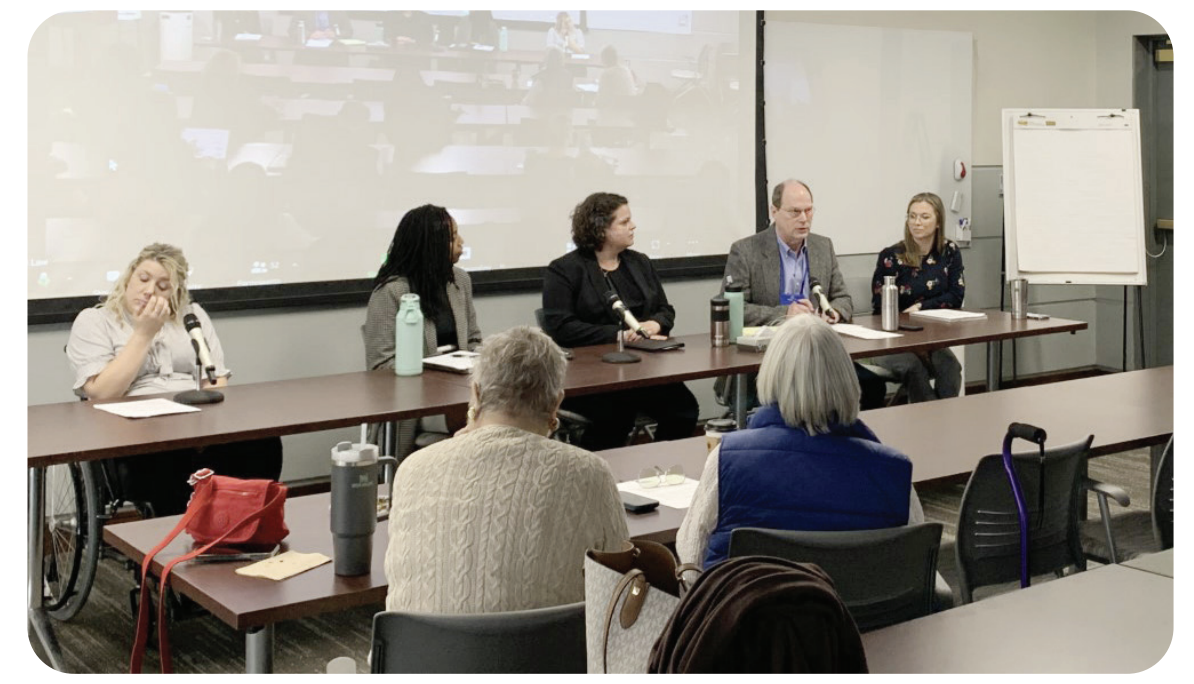
In January of this year, Disability Rights Florida participated in an event and panel discussion about the connection between human trafficking and disability. The panel featured DRF’s Executive Director Peter Sleasman and Director of Community and Healthcare Services Caitlyn Clibbon, who joined other advocates and experts to discuss best practices in serving individuals with disabilities who are victims of human trafficking. People with disabilities are more vulnerable to trafficking-related violence and exploitation for many reasons, including a lack of social accommodations and support. The panel discussed tactful and trauma-informed ways to address this issue, including providing disability-centered human trafficking awareness training, legal and victims’ rights advocacy, mental health education and services, fighting against societal isolation and economic barriers, and reporting abuse. Our organization will continue to work at this intersection, following the leadership of disabled survivors and defending the rights of those who have been taken advantage of due to their disability. Please view the webinar recording on Survive and Thrive Advocacy Center’s website for more information.
Our Communications and Outreach Team has been working diligently to ensure that multi-marginalized individuals with disabilities have equal access to resources. We recognize that people of color and those living in rural areas face more challenges with transportation, healthcare, and resources. For this reason, we have expanded our outreach efforts to meet them where they are. Our staff’s presence and participation in these underserved communities has increased by 56% from last year, making up nearly a third of our events and presentations and reaching 9,000 individuals. In addition, we have taken steps to expand our resource materials to be available in multiple languages and to participate in programs that holistically address barriers faced by marginalized communities, including attending events with free food distribution, backpacks for kids, and free health screenings.
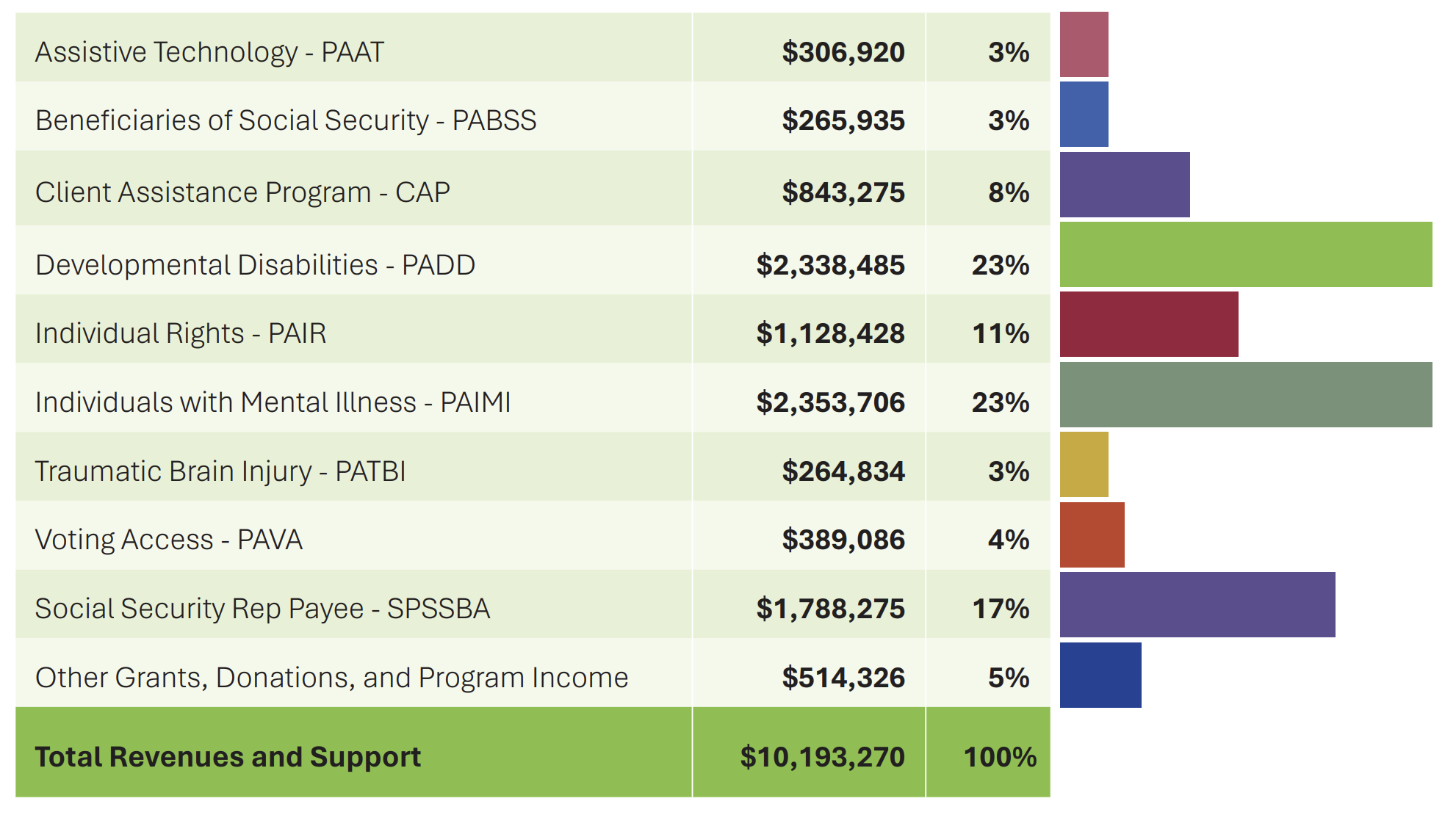
Funding Breakdown
- Assistive Technology (PAAT) $306,920 or 3%
- Beneficiaries of Social Security (PABSS) $265,935 or 3%
- Client Assistance Program (CAP) $843,275 or 8%
- Developmental Disabilities (PADD) $2,338,485 or 23%
- Individual Rights (PAIR) $1,128,428 or 11%
- Individuals with Mental Illness (PAIMI) $2,353,706 or 23%
- Traumatic Brain Injury (PATBI) $264,834 or 3%
- Voting Access (PAVA) $389,086 or 4%
- Social Security Rep Payee (SPSSBA) $1,788,275 or 17%
- Other Grants, Donations, and Program Income $514,326 or 5%
Total Revenues and Support: $10,193,270
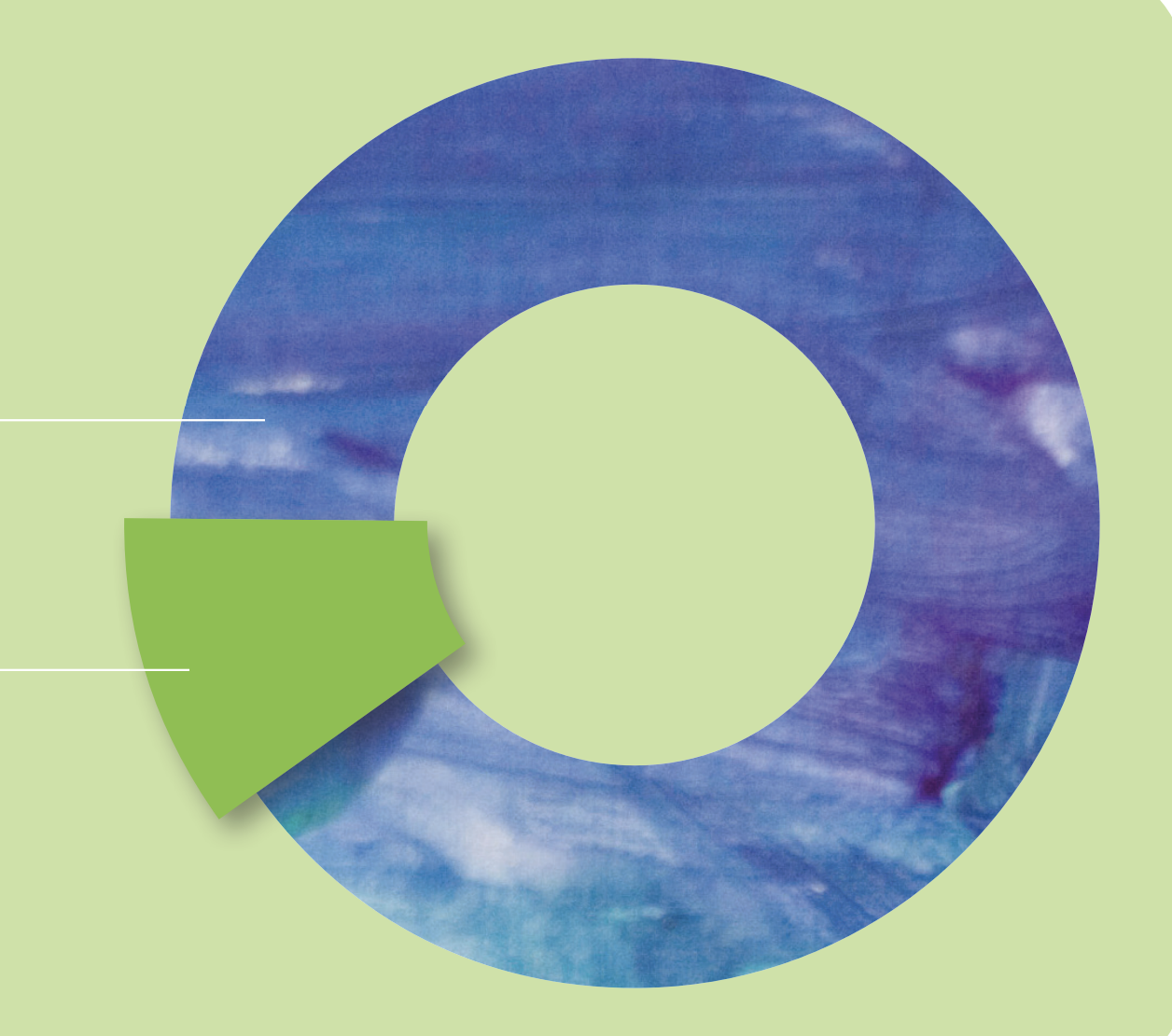
Program vs. General and Administrative
Program Services 88%: $9,418,400
General and Administrative 12%: $1,300,521
Total Expenses $10,718,921
New Cases by Topic Area
- Abuse and Neglect 10%
- Access and Accessibility 12%
- Benefits, Insurance, and Services 4%
- Education 17%
- Employment 18%
- Healthcare 11%
- Representative Payee Reviews 18%
- Rights Protection 10%
- Other >1%
Total New Cases: 1,624
New Cases by Region
- Northwest: 196
- Northeast: 289
- Central: 375
- West: 281
- Southwest: 66
- Southeast: 412
Download the Report
- 2023 Annual Report (PDF) (original layout)
Other Publications and Previous Annual Reports
Visit our Publications page for a full list of downloadable publications we offer. If you want to order printed publications, please complete our Request Publication form.
Financial Information
Disability Rights Florida is a non-profit organization funded by a variety of sources. For a complete list of funders, visit our Programs and Funders page.