
Success Stories
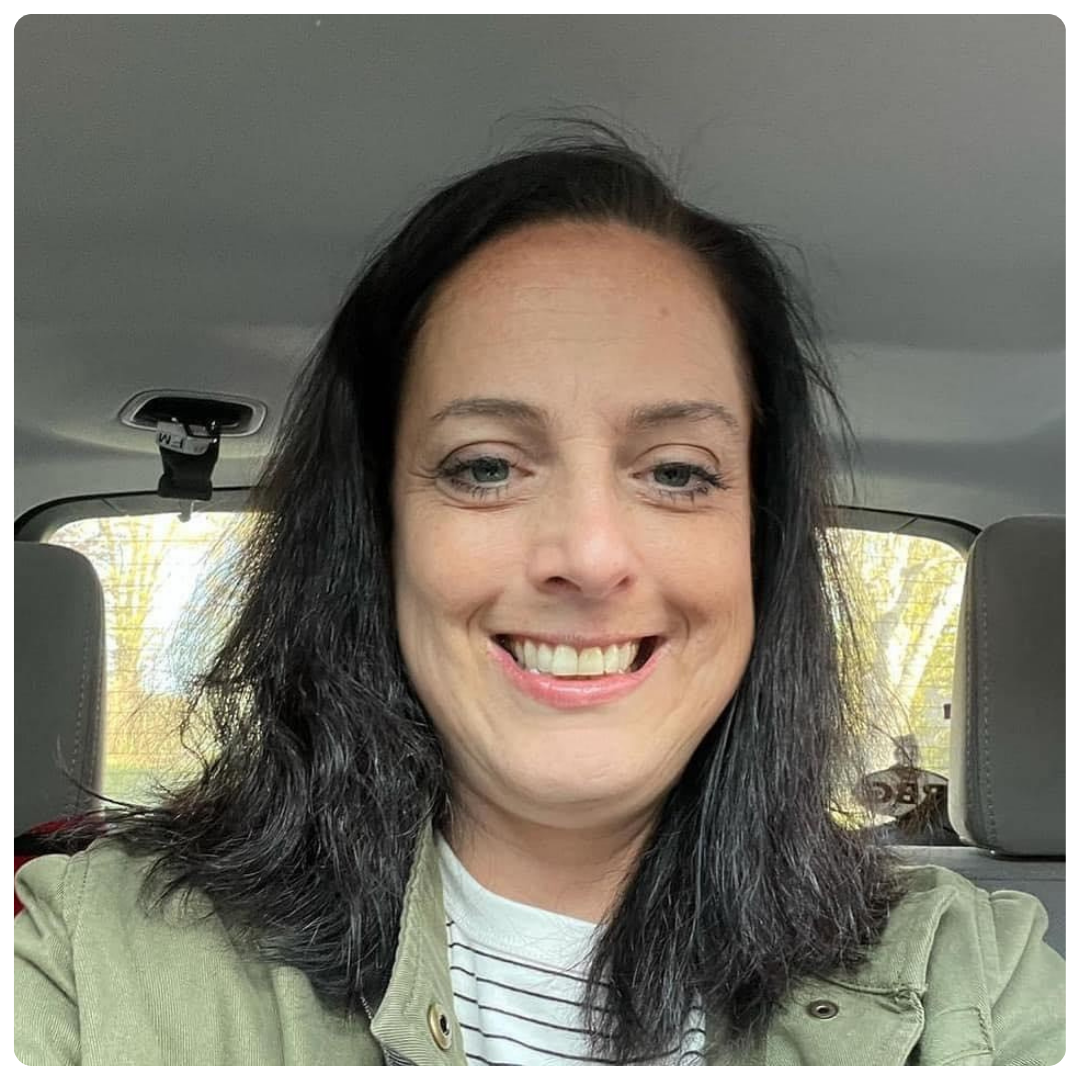 Danielle is an individual with cerebral palsy and deafness who lives in Pasco County, Florida. For the past 12 years, Danielle has been attending her doctor’s appointments with her preferred in-person American Sign Language (ASL) interpreter. Recently, however, her doctor switched to only providing video remote interpreting (VRI) for patients who are deaf or hard of hearing. Danielle tried to work with the doctor’s office and requested that her preferred interpreter be available through the VRI service. However, her request was denied by the clinic. At her most recent appointment, she tried using the VRI service and requested a certified interpreter who could accurately convey medical terminology and topics. Unfortunately, the interpreter was not equipped to do so, and their communication did not match Danielle’s thoughts or questions. Frustrated by the situation, she then requested again that she have an on-site interpreter, to which her doctor said she would have to pay out of pocket for it. Danielle reached out to Disability Rights Florida for support, especially because she liked her physician and wanted to make things work. We advocated on her behalf, explaining that her cerebral palsy limits dexterity and, therefore, impacts her communication through ASL. We also pointed out that VRI had proven ineffective, as remote interpreters have shown difficulty with the receptive side of interpretation. After continued conversations with the clinic, they agreed to provide an on-site ASL interpreter at all future appointments. Effective and meaningful communication is a right. Deaf individuals are not responsible for providing an ASL interpreter; it is the responsibility of the medical clinic to provide the ASL service. We are pleased that the clinic will provide Danielle with an in-person interpreter, which will help her make informed medical decisions.
Previous Success Story:
Beach Goer Granted Accommodation and Equal Access
Next Success Story:
Staff Advocacy Leads to Accessible School Transportation