Olmstead Voices: Stories of Choice and Community
Monday, October 26, 2026
Monday, October 26, 2026
Where you live can affect nearly every part of your life.
It is where everyday life takes shape. It is where we build relationships, pursue goals, make decisions, and become part of the communities around us. For many people with disabilities, having the right services and supports can make those opportunities possible.
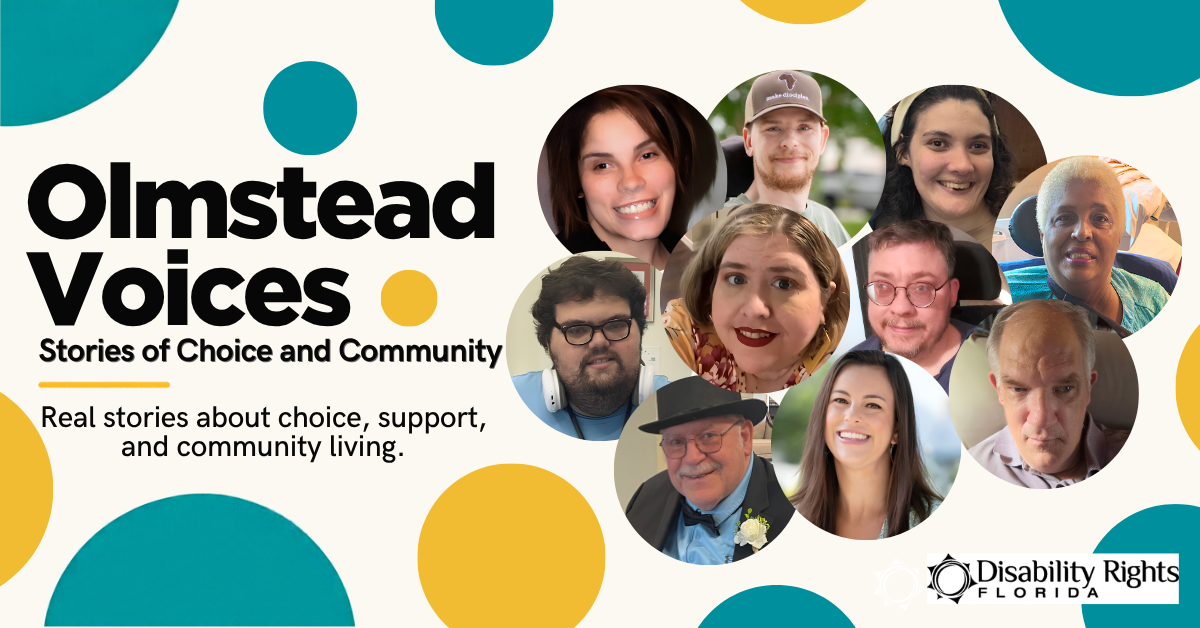
Throughout September, Disability Rights Florida shared Olmstead Voices: Stories of Choice and Community, a series featuring people with disabilities talking about what community living means in their own lives.
The people who participated in Olmstead Voices had very different experiences with disability, services, and support. Some knew institutional life firsthand, while others shared how ongoing services help them remain in their homes and communities.
What connected their stories was not one particular service or one definition of independence. It was the ability to have a say in their own lives and to take part in the communities around them.
Community living is about much more than where someone lives. It is about having the support and freedom to build relationships, pursue personal goals, make everyday decisions, and create a life that reflects who you are and what matters to you.
In 1999, the U.S. Supreme Court issued its decision in Olmstead v. L.C., a case brought by Lois Curtis and Elaine Wilson, two women with disabilities who were receiving treatment in a state psychiatric hospital even though professionals had determined they could receive services in the community.
The Court held that unnecessarily separating people with disabilities from their communities is discrimination under the Americans with Disabilities Act.
The decision helped establish an important principle: people with disabilities should have the opportunity to receive services in the most integrated setting appropriate to their needs.
In practical terms, that means a person should not have to live in a nursing home, hospital, or other separate setting simply because they need support. When appropriate, services should be available in the community so that needing support does not force someone to leave the life they have built or become separated from the people and places that matter to them.
For the people featured in Olmstead Voices, that principle is deeply personal. Their stories show how the right support can help people remain connected to their communities and have more control over their own lives.
Olmstead is often discussed through court decisions, policies, and service systems. For this series, we wanted to start somewhere else: with people.
Olmstead Voices centered people with disabilities as the experts on their own lives. Instead of defining community living for them, we asked people to share what it means from their own experiences.
Their stories gave us a chance to hear directly about the role that choice, support, and community play in everyday life, and to better understand why these issues matter beyond the language of laws and programs.
Their stories also challenged a common misunderstanding about independence.
Being independent does not mean doing everything alone.
For many Olmstead Voices participants, support was part of what made independence possible. It gave them greater control over where and how they lived and helped them build lives around their own priorities.
Across the Olmstead Voices stories, three themes came through clearly:
Independence looks different for everyone. For many Olmstead Voices participants, receiving support gave them greater control over their lives. It allowed them to make decisions for themselves and live in ways that reflected their own priorities.
Support can be a pathway to greater independence, choice, and control.
Having a home in the community is important, but a home alone does not create a community life. Throughout the series, participants talked about the relationships, responsibilities, interests, and everyday experiences that gave their lives meaning.
Their stories showed that being part of a community means having the opportunity to participate in it and build a life there.
Participants talked about the importance of being able to make their own decisions. Where and how someone lives, the support they receive, and the goals they pursue are deeply personal.
Community-based services should help people have greater control over their lives, rather than requiring their lives to revolve around the services available to them.
The campaign brought together a range of experiences with community living, independence, and support.
Below, you can watch the videos, revisit the stories, and hear directly from the participants who shared what these issues mean in their own lives.
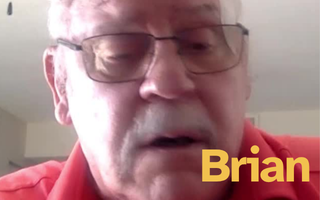
After spending nearly two years in a long-term care facility, Brian moved into his own apartment. Support from CNAs helps with some of his daily needs, while Brian also cooks, cleans, and enjoys adding personal touches to make his home feel like his own. His story shows why community-based services and the opportunity to live at home matter.
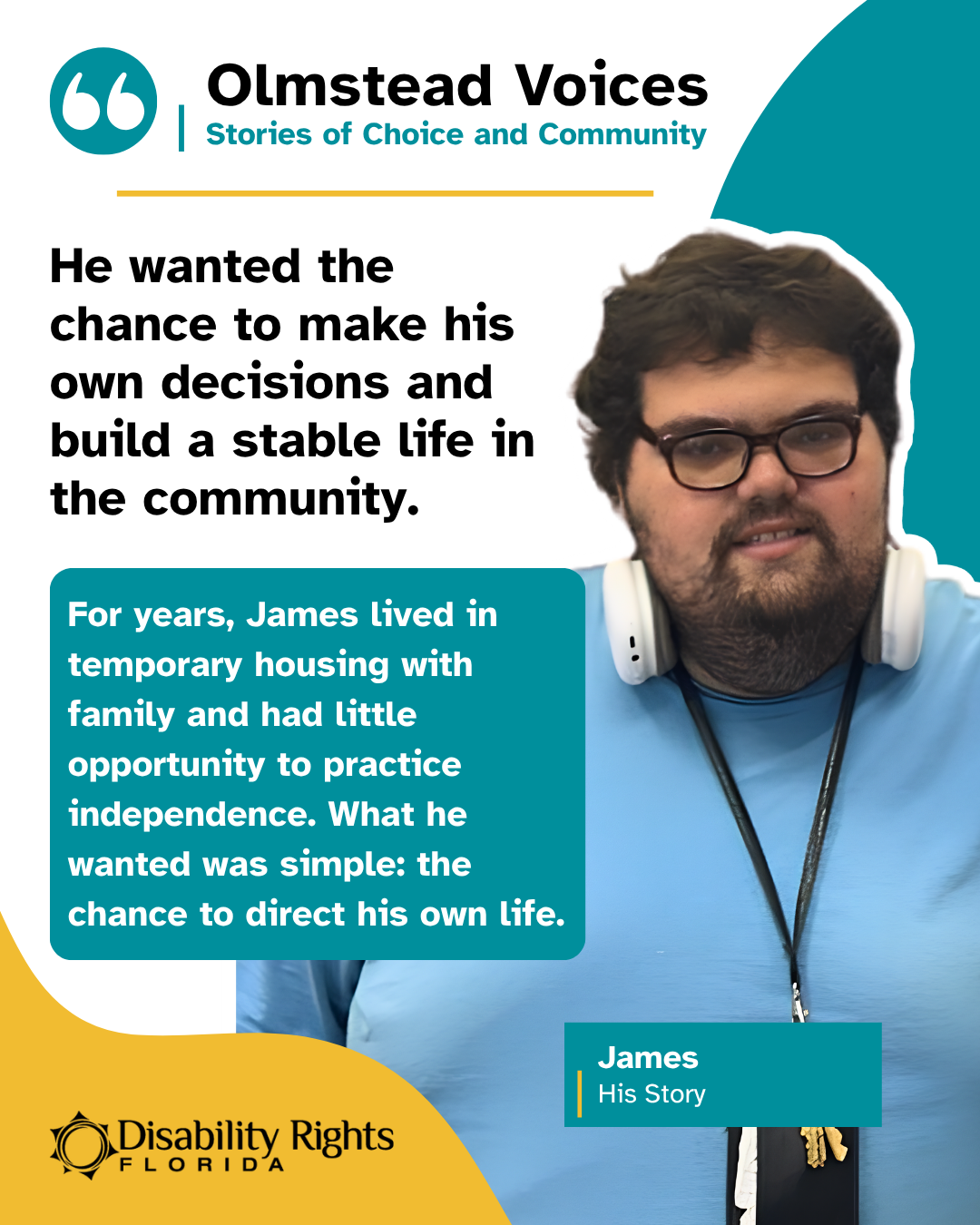
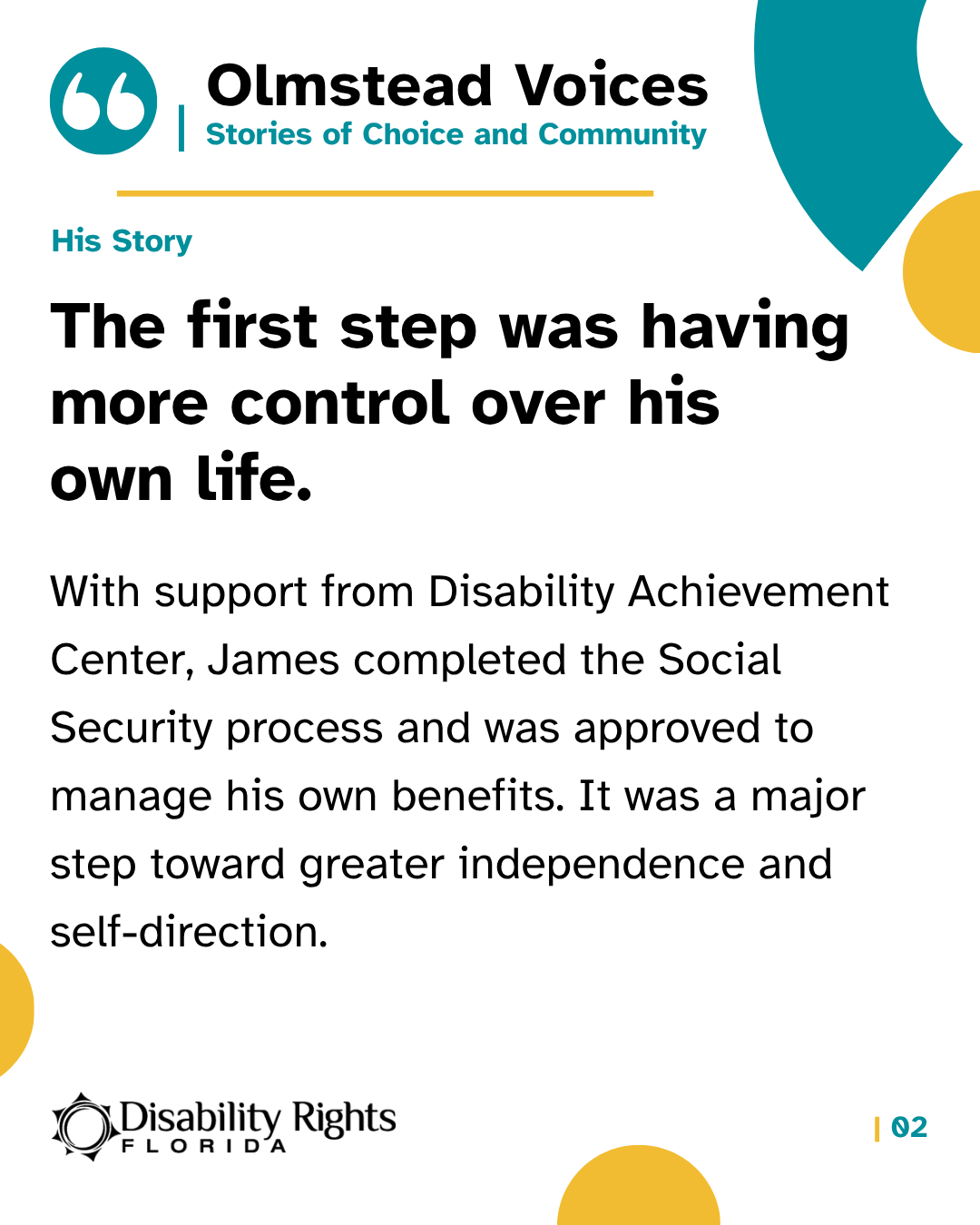
For years, James lived in temporary housing with family and had limited opportunities to practice independence.
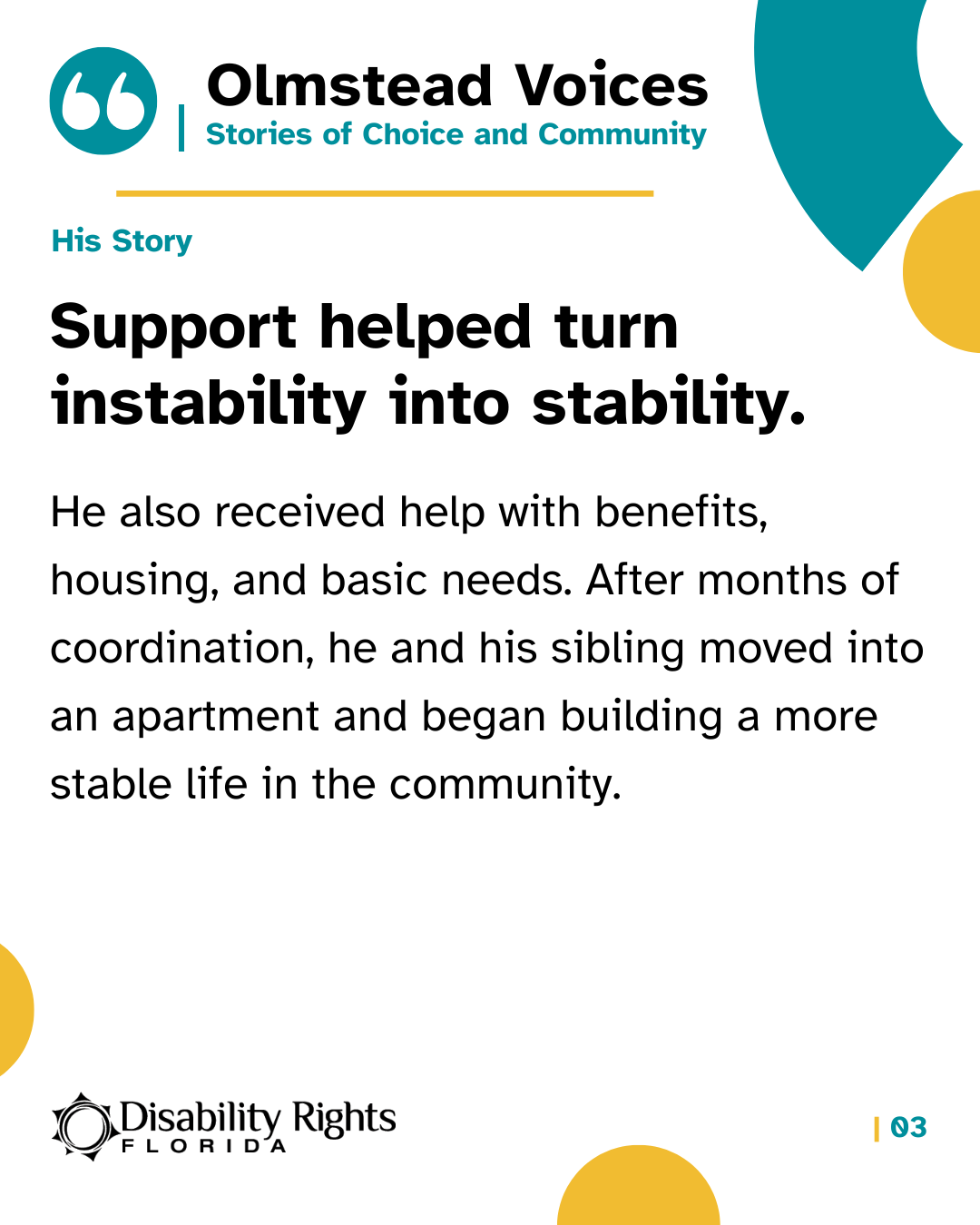
With support from Disability Achievement Center, James became his own Social Security payee, received help with benefits and housing, and moved into an apartment with his sibling.
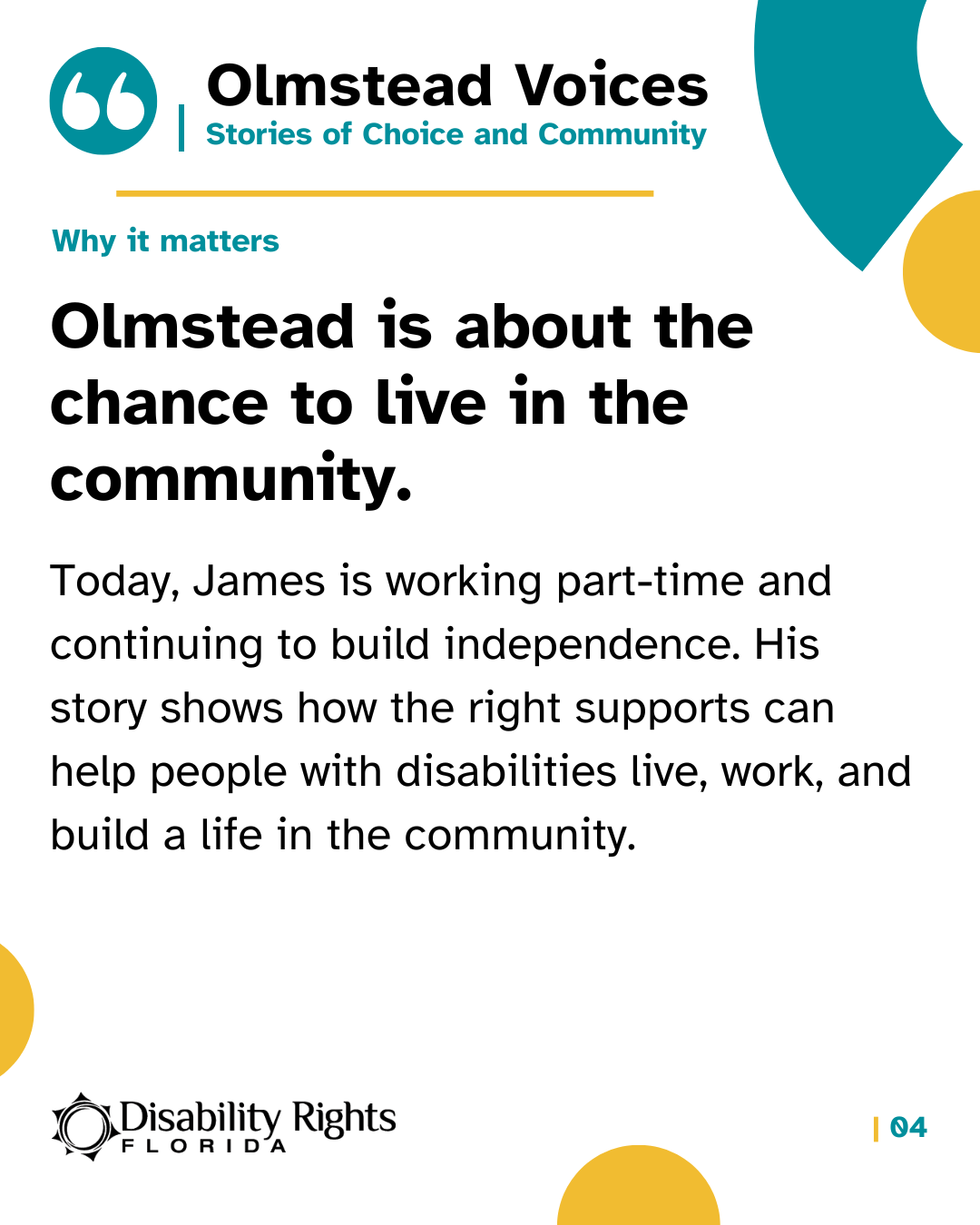
Today, he is working part-time and continuing to build a more stable life in the community.
James’s story shows why the right supports matter. Community living can mean having more choice, more control, and more opportunities to build the life you want.
After experiencing life in several nursing homes, Xina talks about what living independently in her community means to her. For many older adults with disabilities, the everyday freedom to go places, see people, and have privacy can make an enormous difference.
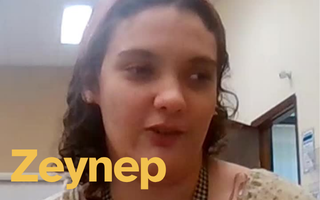
A year ago, Zeynep and her brother were experiencing homelessness. After connecting with Disability Achievement Center, she began getting the support and resources she needed to build greater stability.
Community-based support can look different for every person. Sometimes it begins with finding the right people and knowing where to turn.
For Logan, stable nursing care was an important part of being able to move out of his family home.
His story challenges a common idea about independence. Getting support does not take away someone's independence. The right support can help create more choices about where and how a person lives.
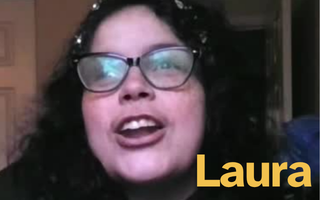
Laura works as a public policy analyst, where her career allows her to contribute through her work and engage with the Florida Legislature.
She also travels, spends time with friends and family, and enjoys concerts, bookstores, and thrift shops. Home and community-based services help make that life possible.
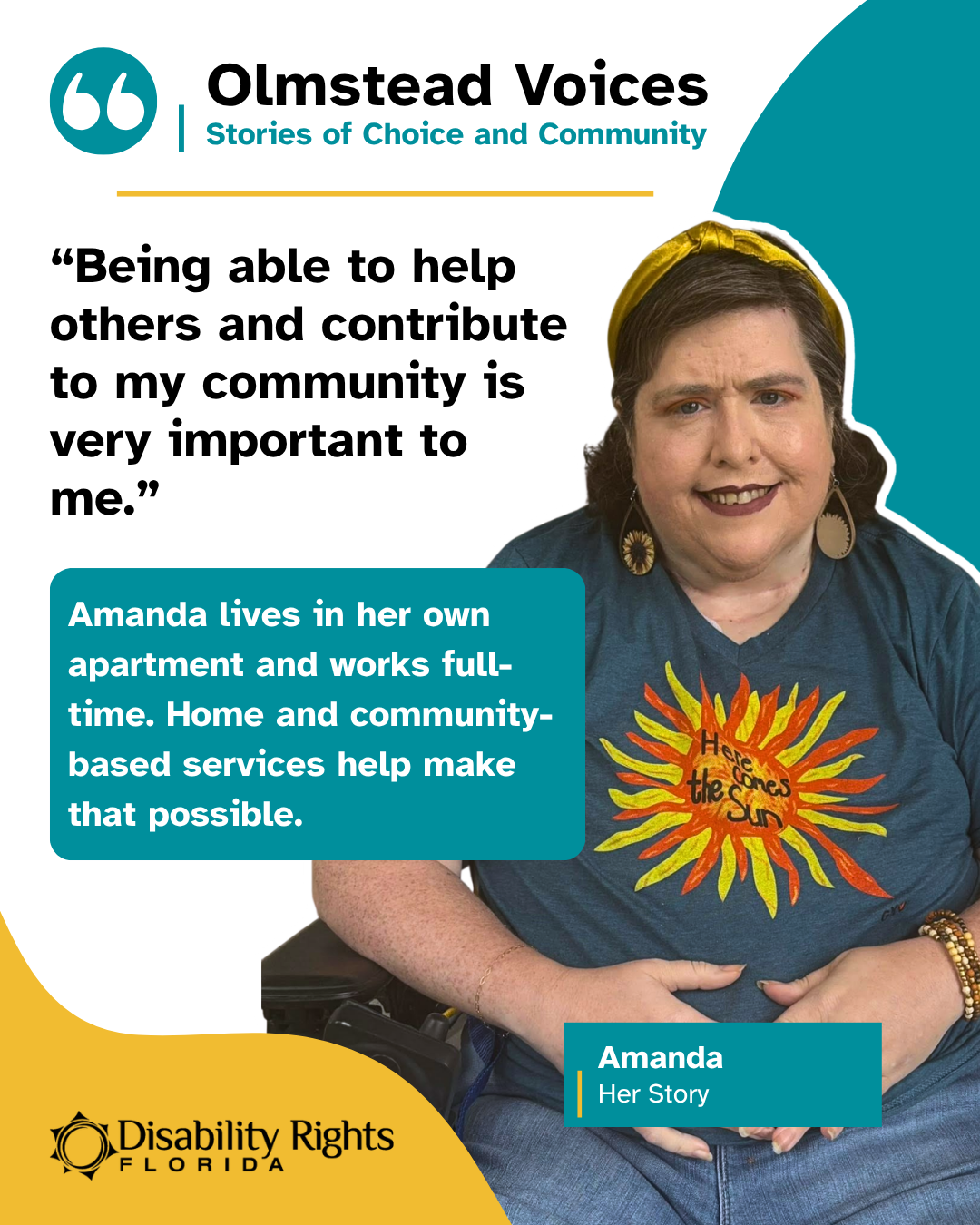
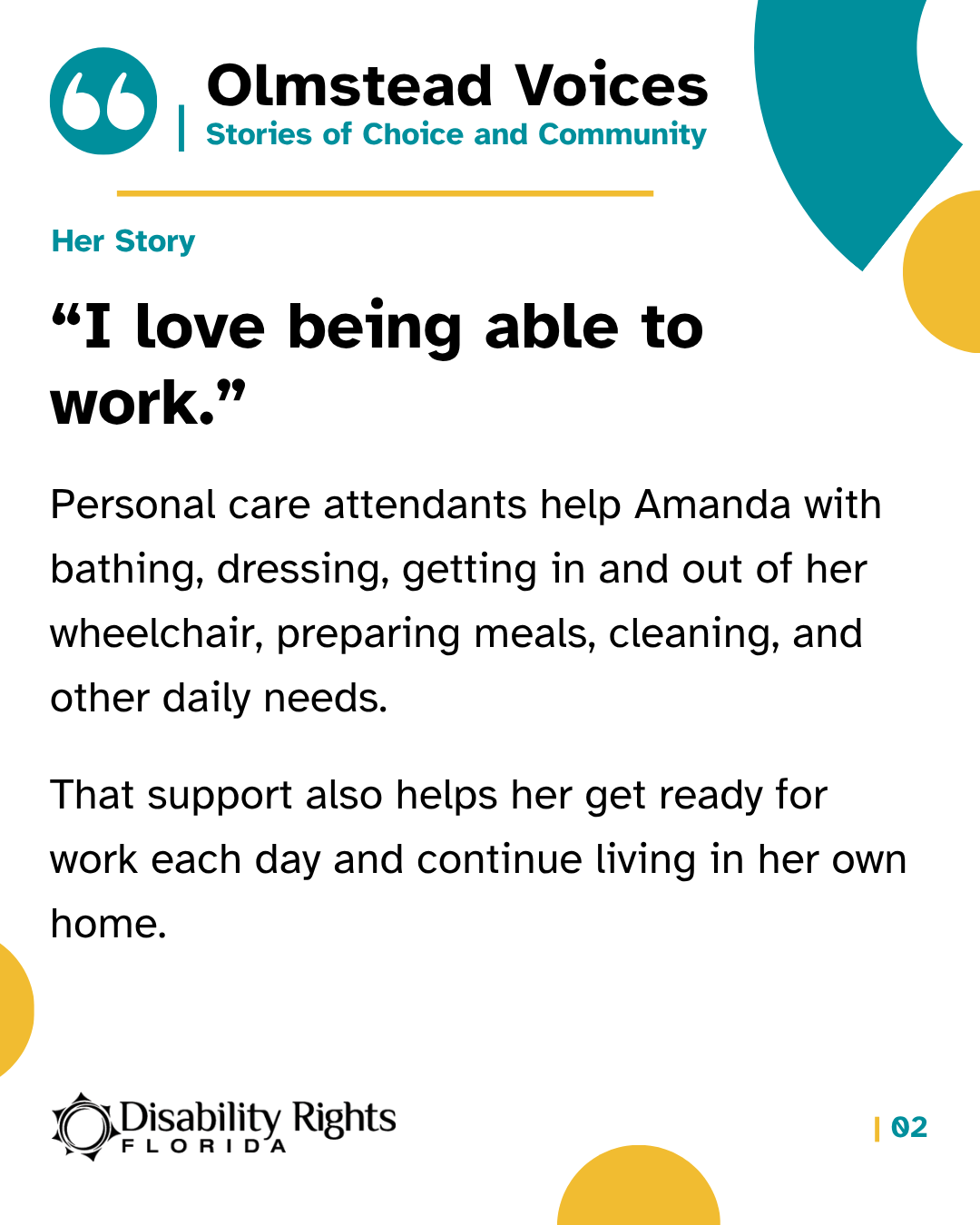
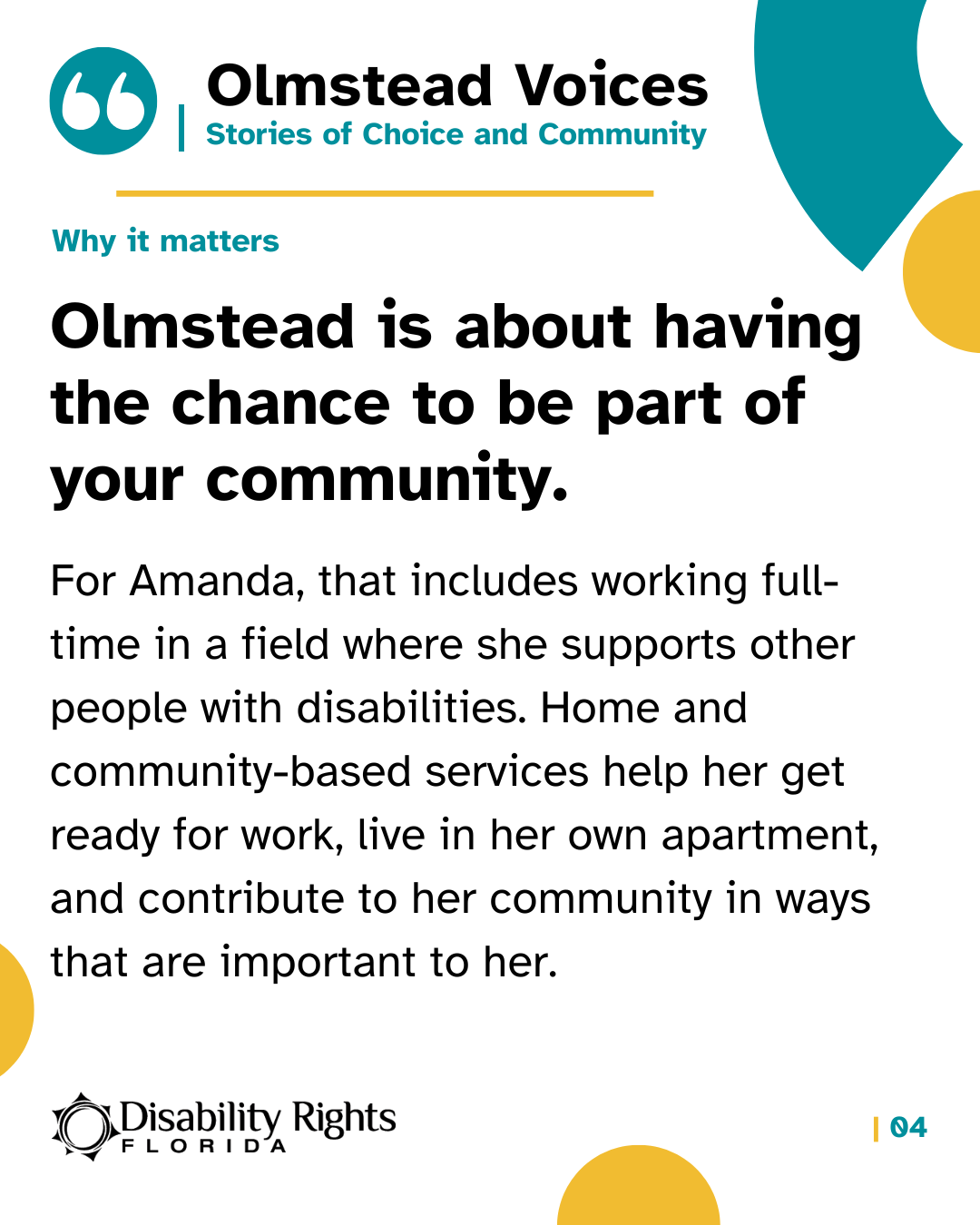
Amanda lives in her own apartment and works full-time. Home and community-based services provide personal care assistance that helps her get ready for work, manage daily needs, and continue living in her own home.
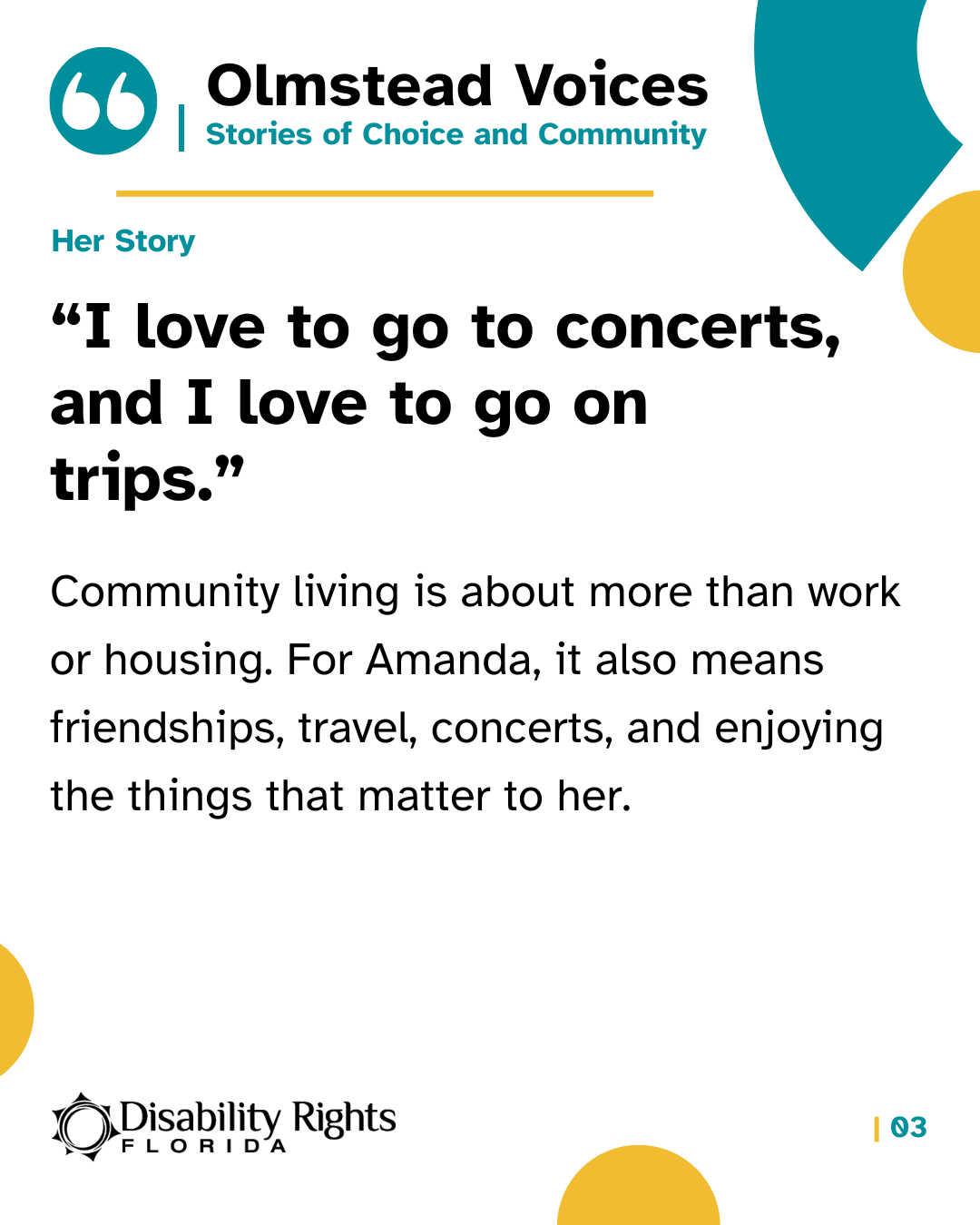
But community living is about more than work. For Amanda, it also means friendships, concerts, travel, and contributing to the community in ways that matter to her.
Amanda’s story shows how the right supports can help people with disabilities build lives that include work, connection, choice, and the things they enjoy.
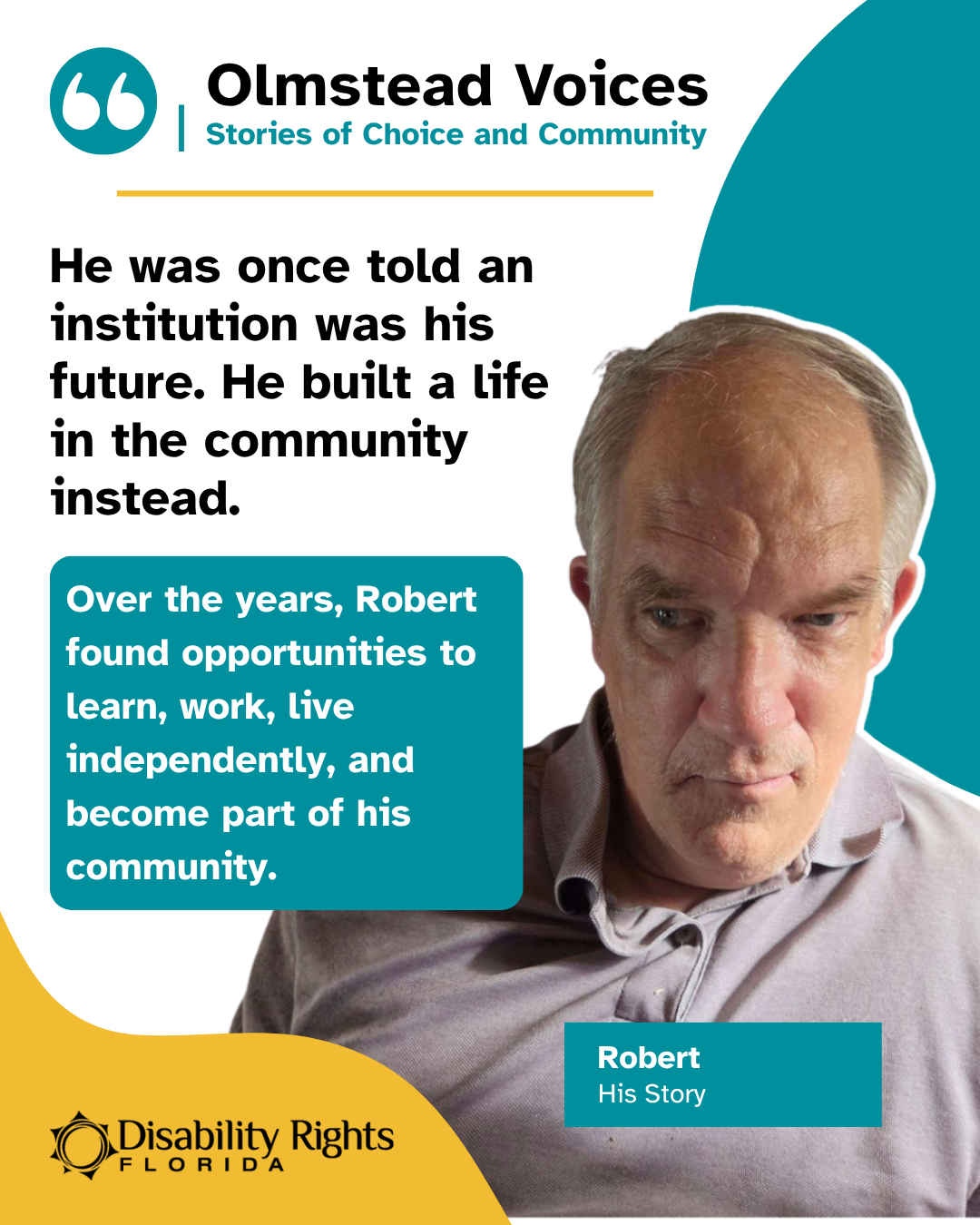
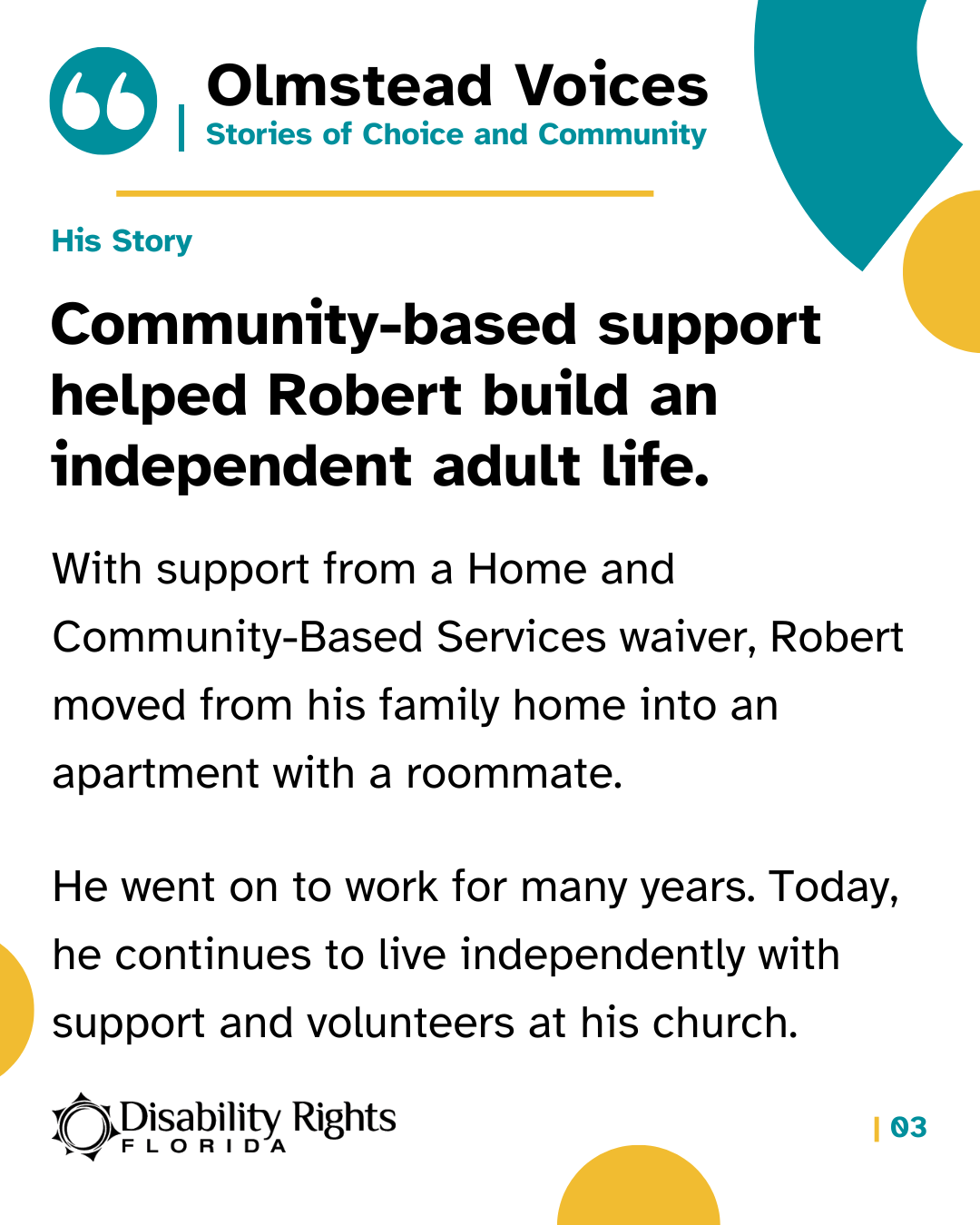
Robert was once told that an institution would be his future. His life took a different path.
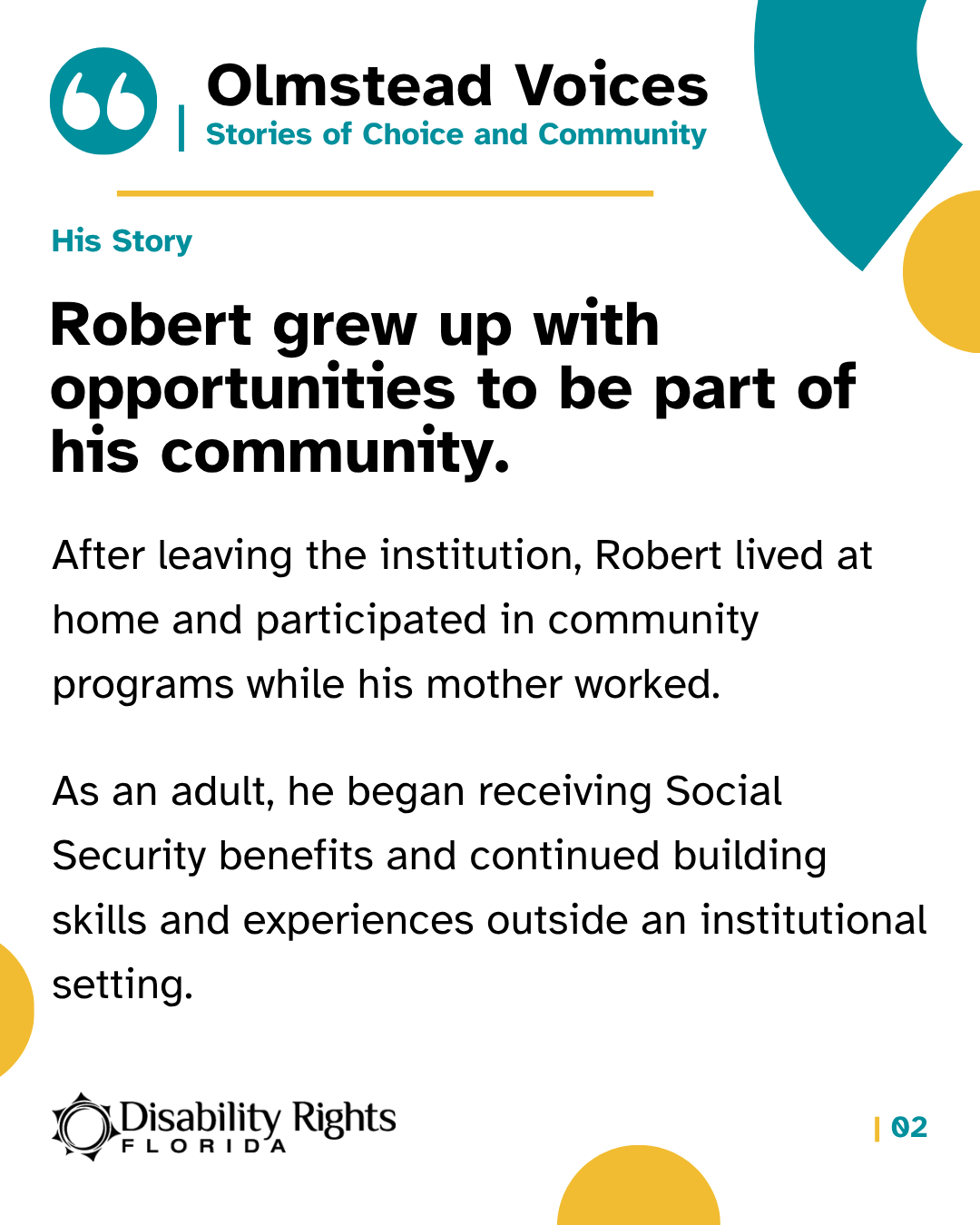
After leaving an institution as a child, Robert grew up at home and had opportunities to participate in his community.
As an adult, home and community-based services helped Robert move into an apartment, work for many years, and continue building an independent life. Today, he remains part of his community and volunteers at his church.
Robert’s story shows what can become possible when people with disabilities have access to the services and support they need to live, work, and participate in their communities.
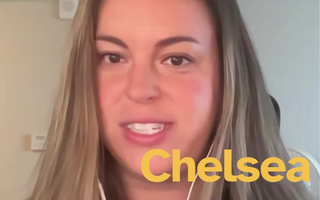
Chelsea talks about the experiences, perspectives, work, and contributions people with disabilities bring to the places where they live.
Community living is about having the opportunity to participate, make choices, build relationships, work, and contribute. That benefits all of us.
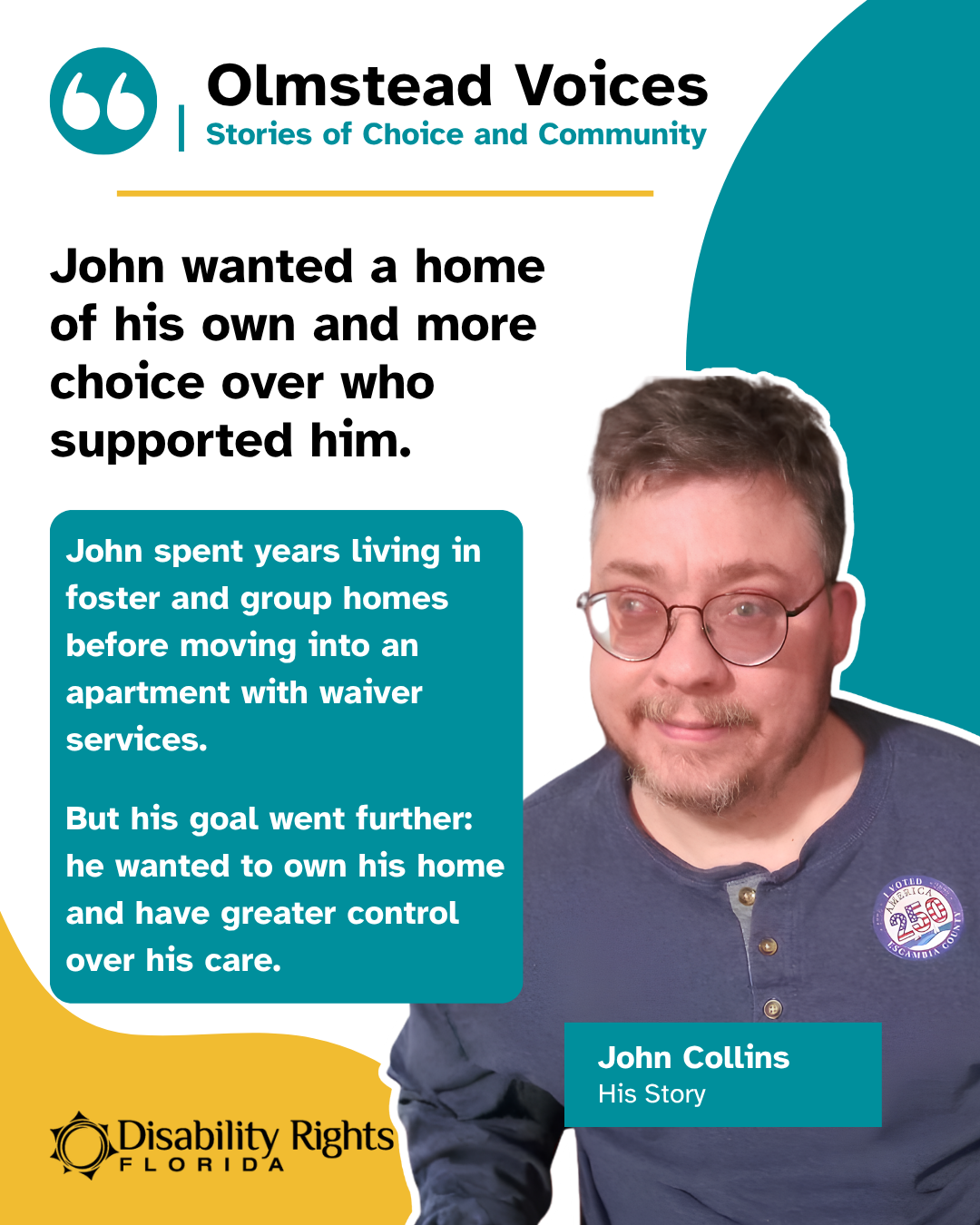
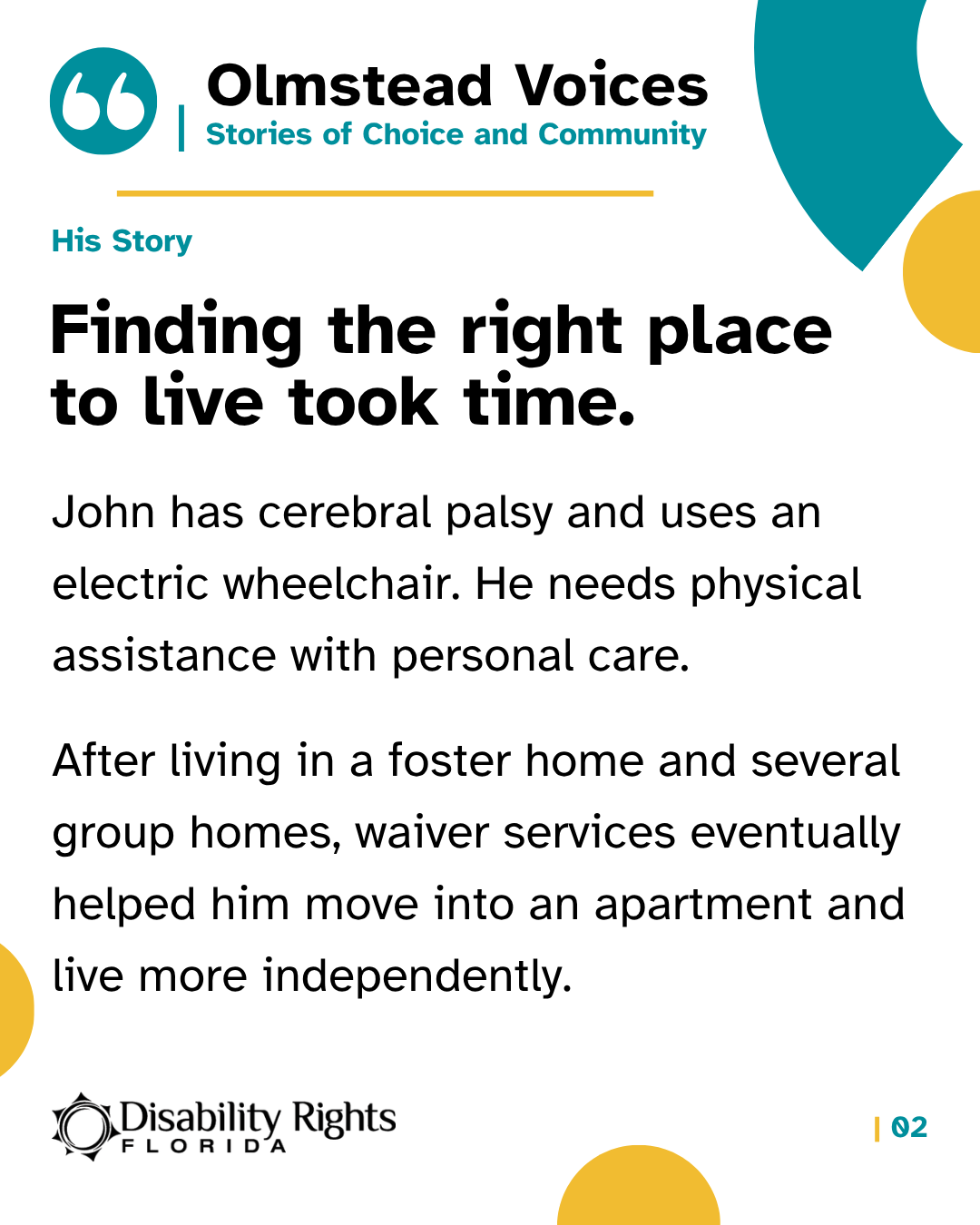
John spent years living in foster and group homes before waiver services helped him move into an apartment.
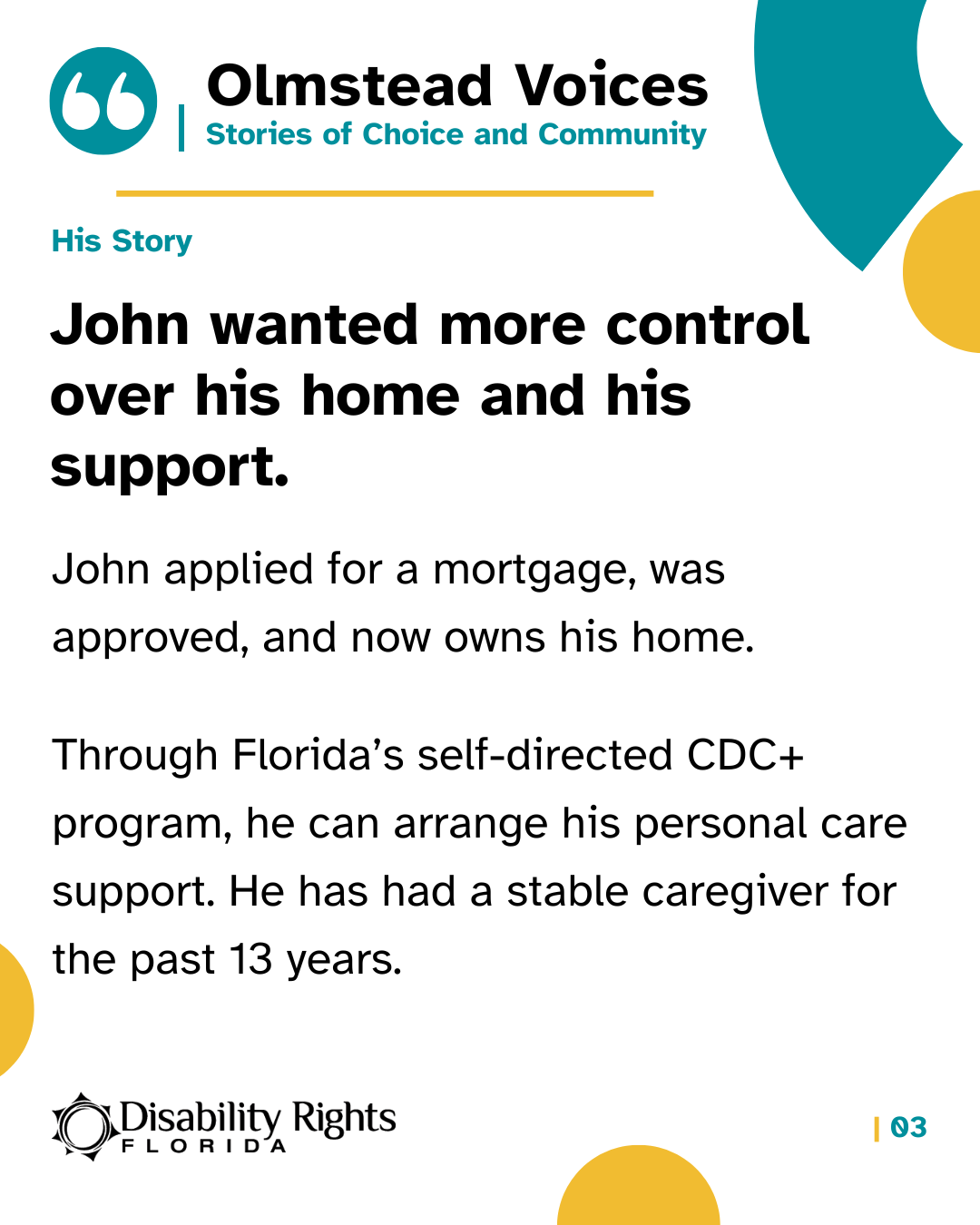
But John wanted more. He wanted to own his home and have greater control over how his personal care support was arranged.
Today, John owns his home and uses Florida’s self-directed CDC+ program to arrange his support. He has had a stable caregiver for more than a decade.
Olmstead Voices was a month-long campaign, but community living is not a month-long issue.
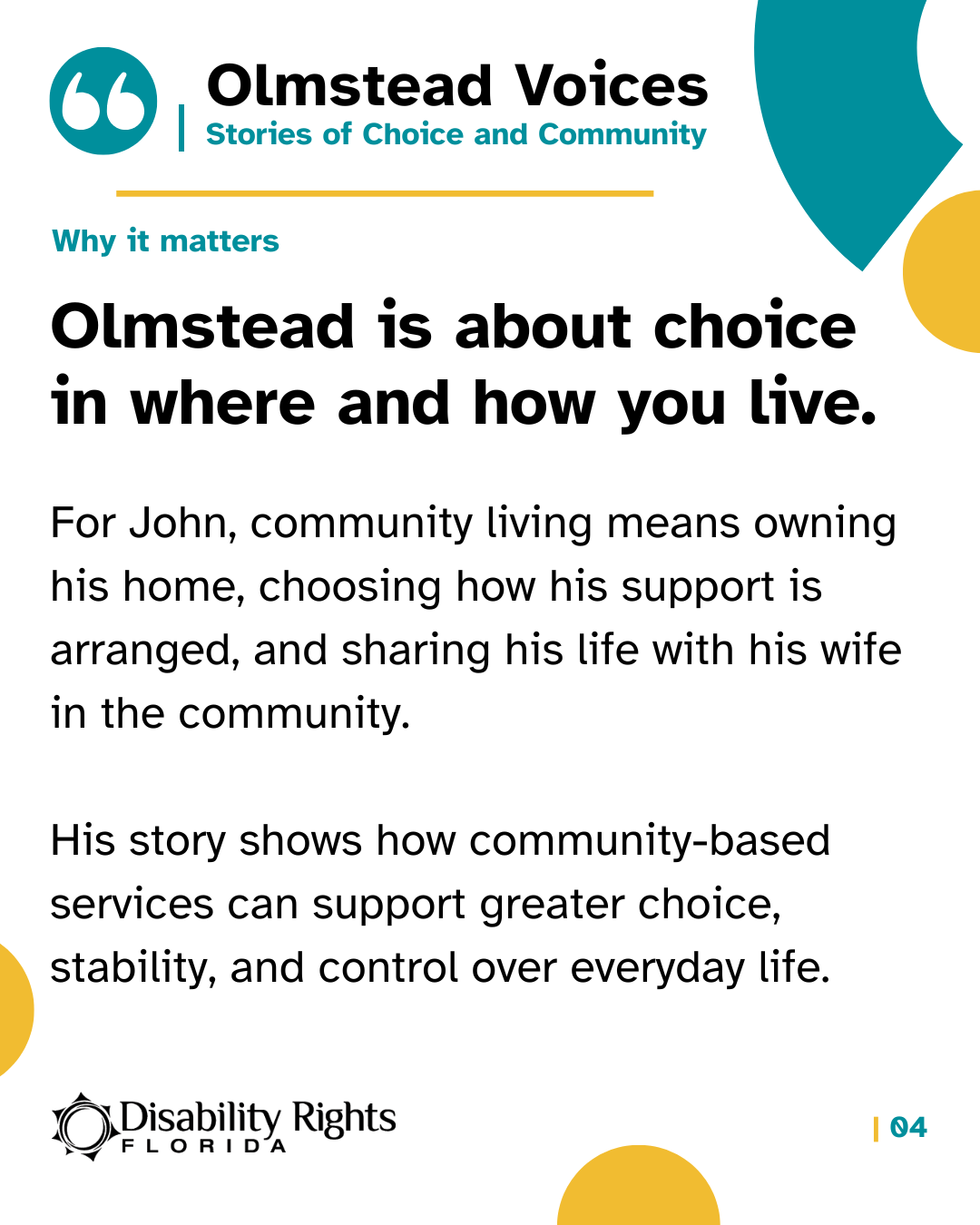
The stories shared throughout the series showed that independence is personal. There is no single way to live it, and receiving support can be part of what makes greater choice and control possible.
The campaign may have ended on social media, but listening to people with disabilities and supporting their right to shape their own lives must continue.
Continue exploring community living, independence, and self-advocacy through these Disability Rights Florida resources:
Please do not leave requests for assistance in the comments. Blog comments are not monitored by intake staff and your request may not be seen. Visit our Online Intake Page to request our services.
Commenting is not available in this channel entry.Get clear, reliable updates on the issues that affect people with disabilities—without the noise or jargon. We’ll share practical information, important changes, and real stories that show how advocacy is making a difference. You’ll also learn simple ways to stay informed, get involved, and help drive meaningful change.
We care about your privacy and trust, and will never share or sell your email address.

Comments