What is HCBS?
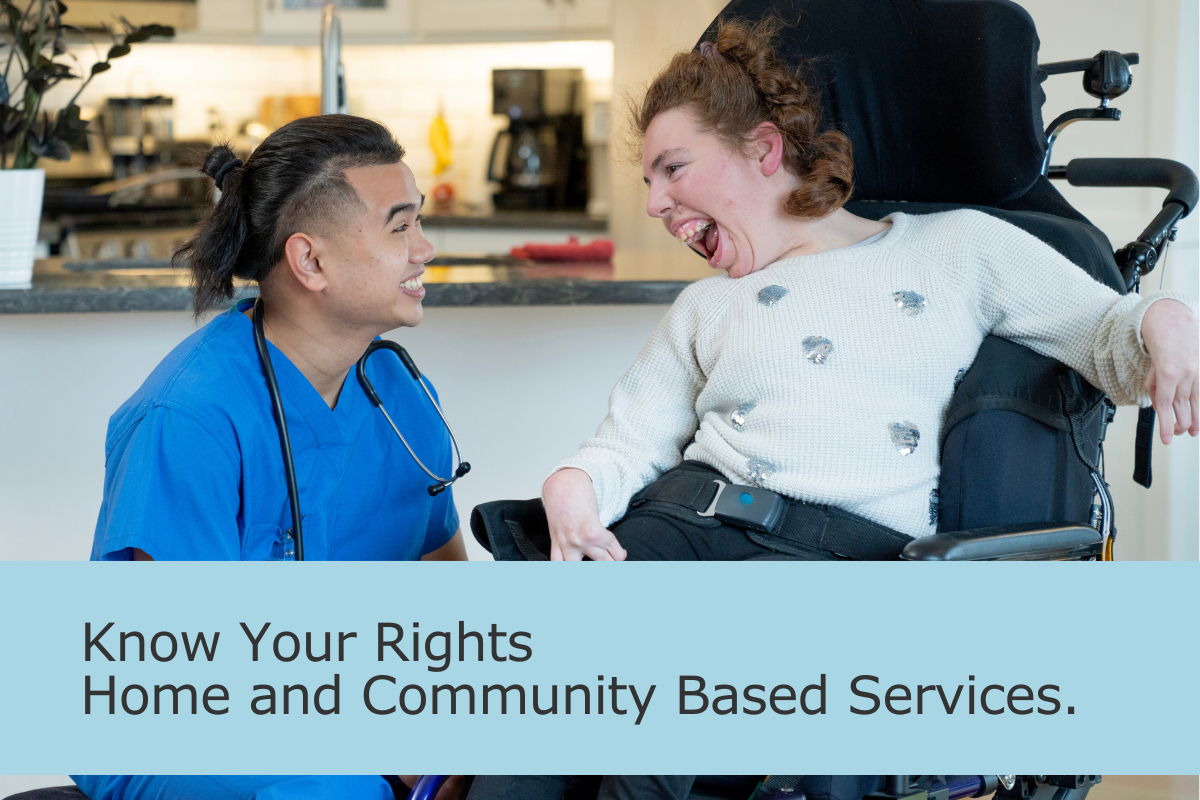
Home and Community-Based Services (HCBS) are Medicaid-funded supports that help people with disabilities, older adults, and people with long-term health needs live in their own homes or community settings instead of an institution. HCBS can help with daily life and independence, such as personal care, transportation, and home modifications, and are often provided through Medicaid waiver programs.
Key aspects of HCBS:
- Who HCBS supports: People with disabilities, older adults, and people with chronic or long-term conditions.
- Why it matters: Helps people stay in the community and avoid unnecessary institutional placement.
- Examples of services: Personal care (bathing, dressing), case management, adult day services, home-delivered meals, transportation, and home modifications (varies by program).
- How it’s funded: Often through Medicaid waivers (including 1915(c) waivers), which give states flexibility in how services are offered.
- Goal: To support choice, dignity, safety, and community participation with the supports a person needs.
How to apply (Florida):
- Request an Long Term Care (LTC) waiver screening through your local Aging and Disability Resource Center (ADRC), find by county via Florida Department of Elder Affairs (DOEA).
- Complete the 45 to 60 minute phone screening about health, daily living needs, caregiver supports, and housing safety.
- Look for written results and request a copy of the screening tool if needed.
- If waitlisted, ask for re-screening after major changes (health, housing, caregiver).
- If you disagree with a decision, request a fair hearing.
As of late 2025, the Florida Agency for Persons with Disabilities (APD) reported that approximately 36,521 individuals were enrolled in the iBudget Florida waiver program, while more than 20,800 people remained on the waiting list.
Understanding Florida HCBS waitlists:
Florida’s Long-Term Care (LTC) waiver waitlist is not first come, first served. It is based on need.
- Priority ranking: Screening results place you in a priority rank (1–8).
- Higher rank = higher need = higher priority.
- Not time-based: You do not automatically “move up” just because time passes.
- Your rank can change: If your needs change, you can request a re-screen. Your priority rank may go up or down.
- Bypass the waitlist: Certain situations can allow faster enrollment, including:
- A nursing facility resident who has been in a Florida-licensed nursing facility for 60 consecutive days and wants to return to the community
- Some high-risk situations identified by Adult Protective Services
- Certain medically complex young adults (18–20) who require ongoing medical supervision
- Adults with cystic fibrosis
What to do if you are waitlisted
Being waitlisted does not mean the process is over. You still have steps you can take.
If you are waitlisted:
- Keep your contact info updated with the ADRC so you do not miss notices.
- Respond to annual re-screening requests if you receive them.
- Request a re-screen if your situation changes, such as:
- New illness or injury
- Loss of housing or unsafe housing situation
- Loss of a caregiver or reduced caregiver support
- Major change in your living situation or home environment
- Ask for a copy of your screening tool to check that your answers were recorded correctly.
While you wait:
- Ask about other supports you may qualify for now (services vary by program and eligibility).
- Use the DRF resources page for guides and education: DisabilityRightsFlorida.org/ Disability-Topics
- Youtube.com/@DisabilityRightsFL
This fact sheet is for informational purposes only and does not create an attorney-client relationship or provide legal advice.